
Introduction to Platelet Rich Plasma Treatment
There are more than 9000 published scientific articles, reports and citations on Platelet Rich Plasma in Medicine. The results of the revolutionary PRP procedures are powered through the science of Platelet Rich Plasma (PRP). PRP is a concentrated source of platelets, growth factors and cytokines produced naturally in your own body, and stimulates and controls healthy regenerative processes, including collagen and soft tissue remodeling.
PRP has been used successfully for years to promote improved healing times and optimal results from various surgical and non-surgical procedures.
Benefits of PRP Injection Treatment in NJ
In New Jersey, PRP injection treatment is heralded for its myriad of benefits, leveraging the body’s own healing mechanisms to rejuvenate and repair tissues. This innovative therapy, concentrated with platelets from the patient’s own blood, accelerates the natural healing process.
PRP is particularly renowned for its efficacy in treating sports injuries (where it was first used), promoting faster recovery times and reducing pain. Beyond orthopedic and sports medicine applications, PRP has gained popularity in cosmetic medicine, enhancing skin rejuvenation, and hair restoration efforts. By stimulating collagen production, new blood vessels and hair follicle growth, patients can achieve a more youthful appearance and improved hair density.
PRP injection treatments stand out for their natural approach and minimal side effects, making them a sought-after option for individuals seeking effective, non-surgical solutions in New Jersey.
PRP Treatment Process at Anara Medspa
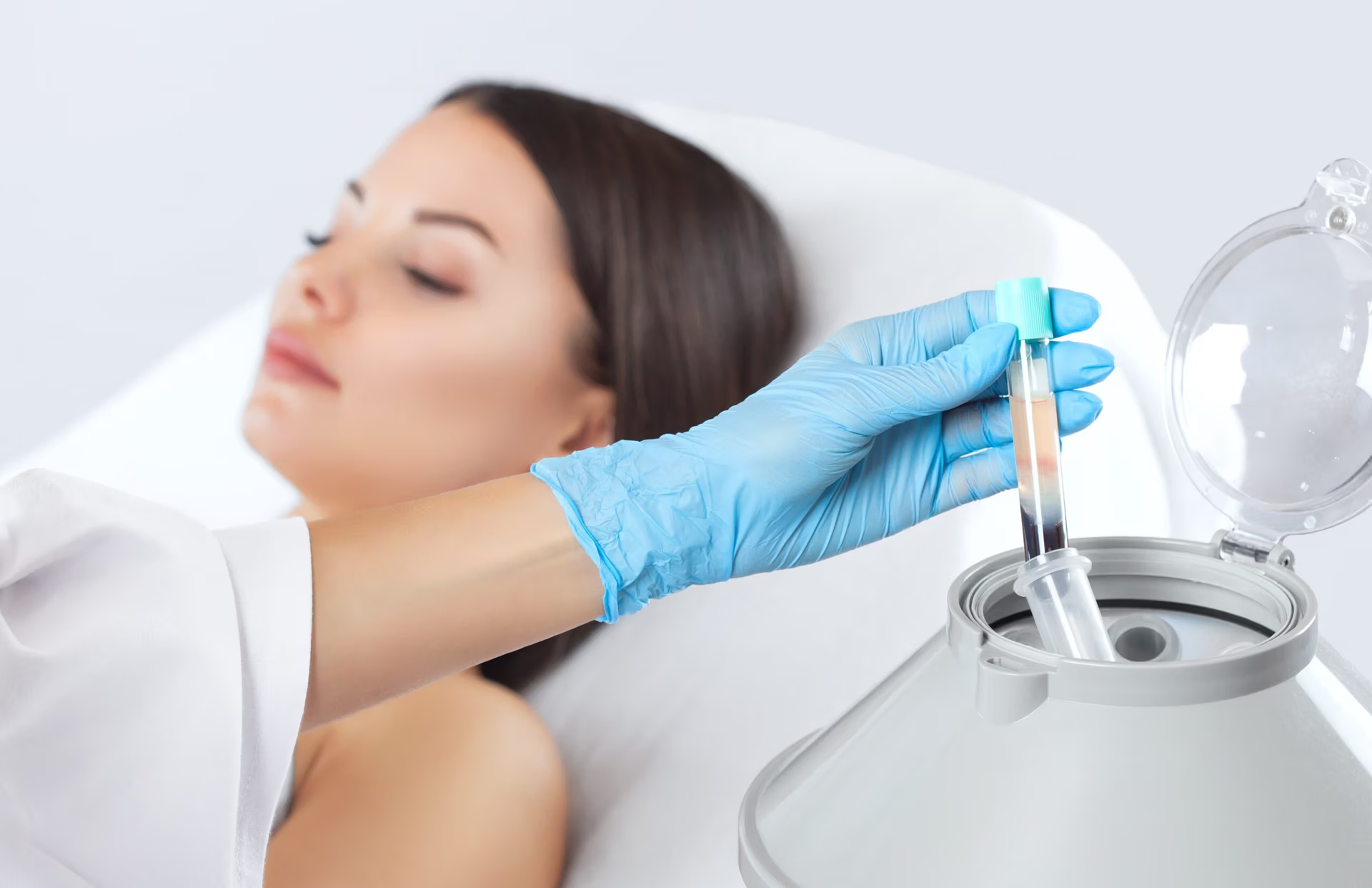
Anara Medspa’s PRP treatment in NJ is designed to harness the natural healing powers of your own body to rejuvenate and restore. This cutting-edge treatment begins with a simple blood draw from the patient. The collected blood is then spun in a centrifuge, a process that separates the platelets to create a concentrated plasma.
This platelet-rich plasma, packed with growth factors, is then meticulously injected or microneedled back into the targeted areas of the body or face. The PRP works by stimulating collagen production, promoting tissue repair, improving blood flow and accelerating the regeneration process.
Ideal for addressing concerns ranging from hair loss and skin rejuvenation to the healing of injuries, PRP treatments at Anara Medspa offer a minimally invasive option with compelling results. This personalized approach ensures that each patient receives a treatment tailored to their specific needs, maximizing the benefits of PRP therapy.
Recovery and Aftercare for PRP Treatments by Anara Specialists
At Anara Medspa, a skin and laser center of NJ, recovery and aftercare following PRP treatments are meticulously guided by our specialists to ensure optimal outcomes and patient comfort. Post-treatment, patients may experience mild swelling, redness, or bruising at the injection sites, which typically subsides within a few days.
Specialists at Anara Medspa advise keeping the treated area clean and applying a gentle moisturizer or serum to promote healing. Patients are encouraged to avoid direct sunlight and use a broad-spectrum sunscreen to protect the treated area. Strenuous activities and alcohol consumption should be avoided for at least 48-72 hours post-treatment.
To enhance the treatment’s effectiveness, following a healthy diet, staying hydrated, and adhering to a skincare regimen recommended by our specialists are crucial. With these aftercare steps, PRP therapy at Anara Medspa promotes a swift recovery, allowing patients to quickly resume their daily routines while enjoying the rejuvenating effects of their treatment.
Schedule Your PRP Procedure Consultation in East Brunswick, NJ
Whether PRP is used on your face to give your skin a beautiful, youthful glow, for sexual enhancement or to treat urinary stress incontinence, the results are truly remarkable. Dr. Chandra is personally trained and certified by Dr Runels, who pioneered PRP procedures in Cosmetic and Regenerative Medicine..
Dr Chandra is also trained by Dr Jeffrey A Rapaport, MD in the PRP Hair Restoration. Dr Rapaport is a nationally recognized expert in PRP Hair Restoration for both men and women and has been featured in Good Morning America and The Doctors.
If you are interested in learning more about the treatments available at Anara Medspa, please call 732.777.9577. Our extensive consultation process will help us decide what treatments are right for you. These steps ensure optimal results and, ultimately, a very satisfied patient.
- These statements have not been verified by Food and Drug Administration Individual results may vary. Currently many PRP treatments are considered off-label indications.
-
PRP® PRP Procedures Summary
Frequently Asked Questions
What are PRP procedures, and how do they work?
PRP procedures use platelet-rich plasma from your own blood to stimulate collagen production, tissue repair, and natural healing for skin, hair, and regenerative treatments.
What conditions can PRP treatment help improve?
PRP treatment can support hair restoration, facial rejuvenation, skin texture improvement, fine lines, sports injuries, and other regenerative concerns based on your treatment goals.
Why choose Anara Medspa for PRP procedures in New Jersey?
Anara Medspa provides personalized PRP treatments using advanced techniques and physician-guided care to help patients achieve safe, natural-looking results.
Does Dr. Ram Chandra perform PRP treatments at Anara Medspa?
Yes. Dr. Ram Chandra evaluates every patient and recommends customized PRP procedures based on individual concerns, medical history, and aesthetic goals.
How long does it take to see results from PRP treatment?
Many patients begin noticing improvements within a few weeks, while optimal results typically develop over several months as collagen production and tissue regeneration continue.
Is there any downtime after a PRP procedure?
PRP treatments require minimal downtime. Mild redness, swelling, or bruising may occur temporarily, and most patients return to normal activities within a day or two.
