
Intimate area bleaching treatment in New Jersey
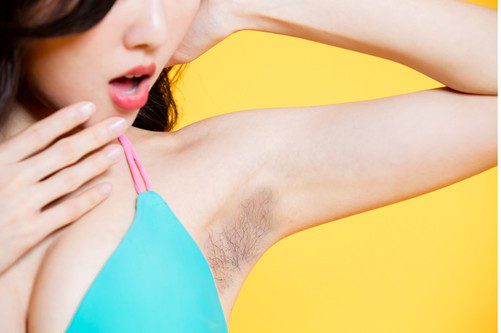

Recently there is more awareness among people, especially women, to address the hyperpigmentation (darkening) in the intimate areas, including the bikini, buttocks, areola and underarms.
These areas are considered more sensitive and often overlooked by aesthetic professionals. Intimate bleaching NJ requires specialized attention and specific formulations of products to be used.
Traditionally, hyperpigmentation on the face has been the primary focus over the years; however, many people suffer silently with low self-image and embarrassment due to hyperpigmentation in intimate areas. This should not be the case anymore. At Anara Medspa in NJ, we now offer advanced solutions to help treat intimate area hyperpigmentation safely and effectively, restoring confidence and improving overall skin appearance.
There are many causes that lead to hyperpigmentation in the intimate areas, specifically the bikini, buttocks, areola and underarms.
How to approach hyperpigmentation in the intimate areas in New Jersey:
1. One can use supervised depigmenting prescription creams containing hydroquinone, kojic acid, tranexamic acid, alpha hydroxy acids, vitamin C, and arbutin, to name a few.
However, the main problem with topical treatments is the challenge of compliance and the tedious nature of the process, as one must remember to follow the instructions and use the application every day. This can be challenging because, as we all know, many of us do not even complete a full course of antibiotics! Most of us tend to stop antibiotics once we start feeling better.
For example, if an antibiotic is prescribed for seven days for, say, a throat infection, and once the patient starts seeing improvement after 2–3 days, they tend to stop or forget to complete the course of antibiotics. This also applies to the topical treatments, which require several weeks and sometimes even months of application to see the results.
2. Using carefully curated, customized chemical peels that are safe and targeted for the intimate areas is a better option. Some of these specialized treatments include Meladeep Intimate, the Dermamelan intimate system, the pink intimate system, the BioRePeel, the Vi Peel body, and These treatments include the HA/PPY Intimate Vigorate Peel, among others.
3. It is important to also remember that hair removal methods like shaving and waxing in underarms and bikini areas also contribute to darkening of the skin in these areas. Hence, for those who are serious about a better skin tone in these areas, they should also combine this treatment with permanent laser hair reduction.
4. Ideally, therefore, the best results are obtained by combining the intimate area peels with home use of depigmenting prescription topicals that are used in between the peeling sessions along with laser hair removal.
Causes of darkening in the intimate areas:
1. Most women of the darker skin tones start developing hyperpigmentation in the intimate areas after puberty, which is probably related to the hormonal changes that happen after puberty. Similarly, after pregnancy, areola and nipples tend to darken as well.
2. Repeated shaving can act like a trauma, and that can also lead to a low level of inflammation, which will attract more melanocytes and melanophores that produce hyperpigmentation.
3. Repeated waxing also results in microscopic trauma and can encourage both ingrown hairs and hyperpigmentation in the intimate areas in those who do not have a pale skin.
4. Hair removal cream applied to the underarms and bikini areas can cause irritation and hyperpigmentation in some individuals.
5. There are certain hormonal and metabolic conditions that can also lead to hyperpigmentation without any other apparent cause.
For example, acanthosis nigricans can affect the back of the neck, underarms, under the breasts, and groins. And those with diabetes, obesity, insulin resistance, and PCOS seem to be more prone to developing such hyperpigmentation issues.
6. Though it is generally understood that those with darker skin tones are more prone to developing hyperpigmentation, those who have lighter skin can also get some hyperpigmentation in the intimate areas related to all the factors mentioned above.
Contraindications for intimate area peeling
There are some medical and skin conditions where the intimate area peel will have to be carefully assessed. Active herpes infection, viral warts, and molluscum contagiosum in the treated area are among the contraindications.
Active bacterial infections, eczema, sores, and loss of skin integrity are also contraindications to using intimate area peels. There are other conditions like poorly controlled diabetes, HIV infection, immunodeficiency, connective tissue
disorders, and a tendency for keloid formation where benefits and risks are to be carefully assessed.
What should be your next step for intimate bleaching NJ?
If you have hyperpigmentation in the intimate areas (genitals, groin, upper inner thighs, peri-anal areas) and no contraindications, intimate area peels can improve the darkness by two to three shades. It’s also advisable to undergo laser hair removal treatments in these areas to avoid a persistent source of irritation that could trigger hyperpigmentation.
At Anara MedSpa, you will be first assessed by a physician, who will carefully examine and take your history, go through all your medical and skin conditions, make sure there are no contraindications in the area to be treated, and chalk out a plan for you to follow. That should be the first step.
If you are interested, we highly recommend you call us at 732-777-9577 or text us at 732-947-4618 to schedule a consultation so that we can institute the most appropriate customized plan that is unique to you and your skin’s needs. Feel confident again, knowing that Anara Medspa is there for you.
Frequently Asked Questions
What is intimate area bleaching at Anara Medspa?
This treatment helps improve dark pigmentation in sensitive intimate areas using professional skin-lightening techniques.
Can intimate bleaching improve uneven skin tone?
Yes, the procedure may help brighten and even out discoloration in intimate areas.
Is intimate bleaching treatment safe?
At Anara Medspa, treatments are customized carefully for sensitive skin areas.
How many sessions are needed for intimate lightening?
The number of sessions depends on skin condition and pigmentation severity.
Why choose Dr. Ram Chandra for intimate rejuvenation treatments?
Dr. Ram Chandra offers physician-supervised treatments focused on privacy, safety, and patient comfort.
Is there downtime after intimate bleaching treatments?
Most patients can return to normal activities with minimal recovery time.
