
Category Archives: Laser treatment

The Ultimate Guide to Laser Hair Removal Side Effects: What’s Normal, What’s Not, and How to Stay Safe
If you are considering laser hair removal, you have likely heard about the incredible convenience of ditching your razor for good. However, because it has become so commercialized, many people forget that laser hair removal is a medical procedure. Like any medical treatment, it comes with expected physical responses, potential side effects, and if performed incorrectly serious complications.
At Anara Medspa, under the guidance of Dr. Chandra, an American Board of Laser Surgery board-certified physician, we believe in complete transparency. With over 18 years of experience and more than 60,000 successful procedures, we have seen it all.
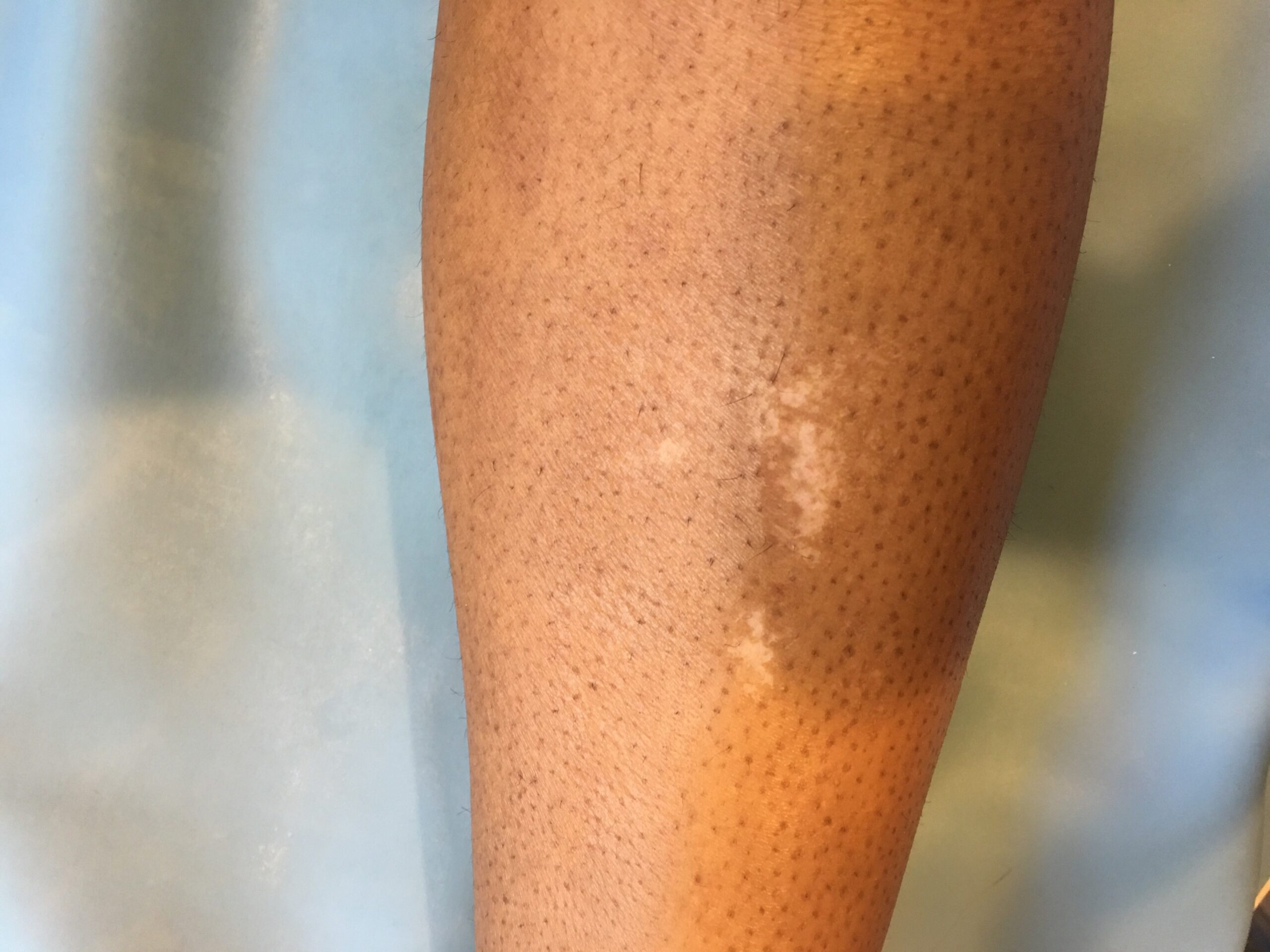
If you are searching for Laser hair removal in New Jersey, choosing a medically supervised clinic is essential for both safety and results.
Whether you are in New Jersey or researching globally, this medically backed guide breaks down exactly what to expect after your treatment, the science behind rare complications, and how to protect your skin.
Clinical Endpoints: The “Desirable” After-Effects
When a laser successfully targets and destroys a hair follicle, your skin will react. Many patients mistake these normal clinical endpoints for “bad” side effects, but they are actually proof that the treatment is working.
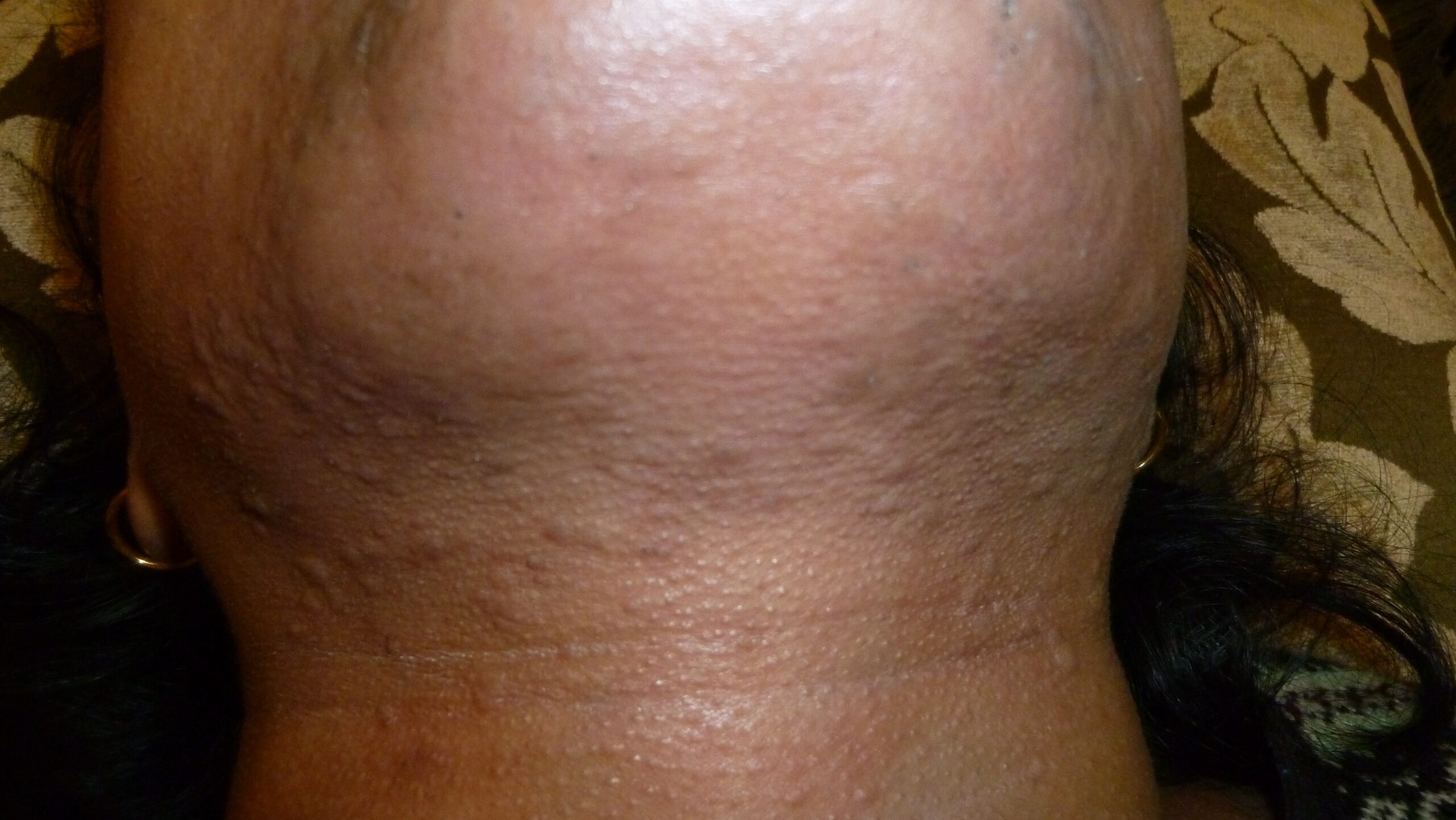
According to peer-reviewed dermatological studies, these transient reactions resolve entirely within a few days:
- Perifollicular Edema: This is localized swelling directly around the hair follicle, making the skin look slightly bumpy (like goosebumps). Clinical reviews note that up to 98% of patients experience this immediately after treatment.
- Erythema (Redness): Mild to moderate redness in the treated area is standard and usually dissipates within 1 to 7 days.
- Tightness and Tingling: The skin may feel like a mild sunburn.
- Itching: As the body naturally processes and expels the dead hair follicles, a mild histamine reaction can occur, causing the area to itch.
Common and Temporary Side Effects
While the goal is a smooth recovery, some minor, temporary side effects can occur as your skin heals.
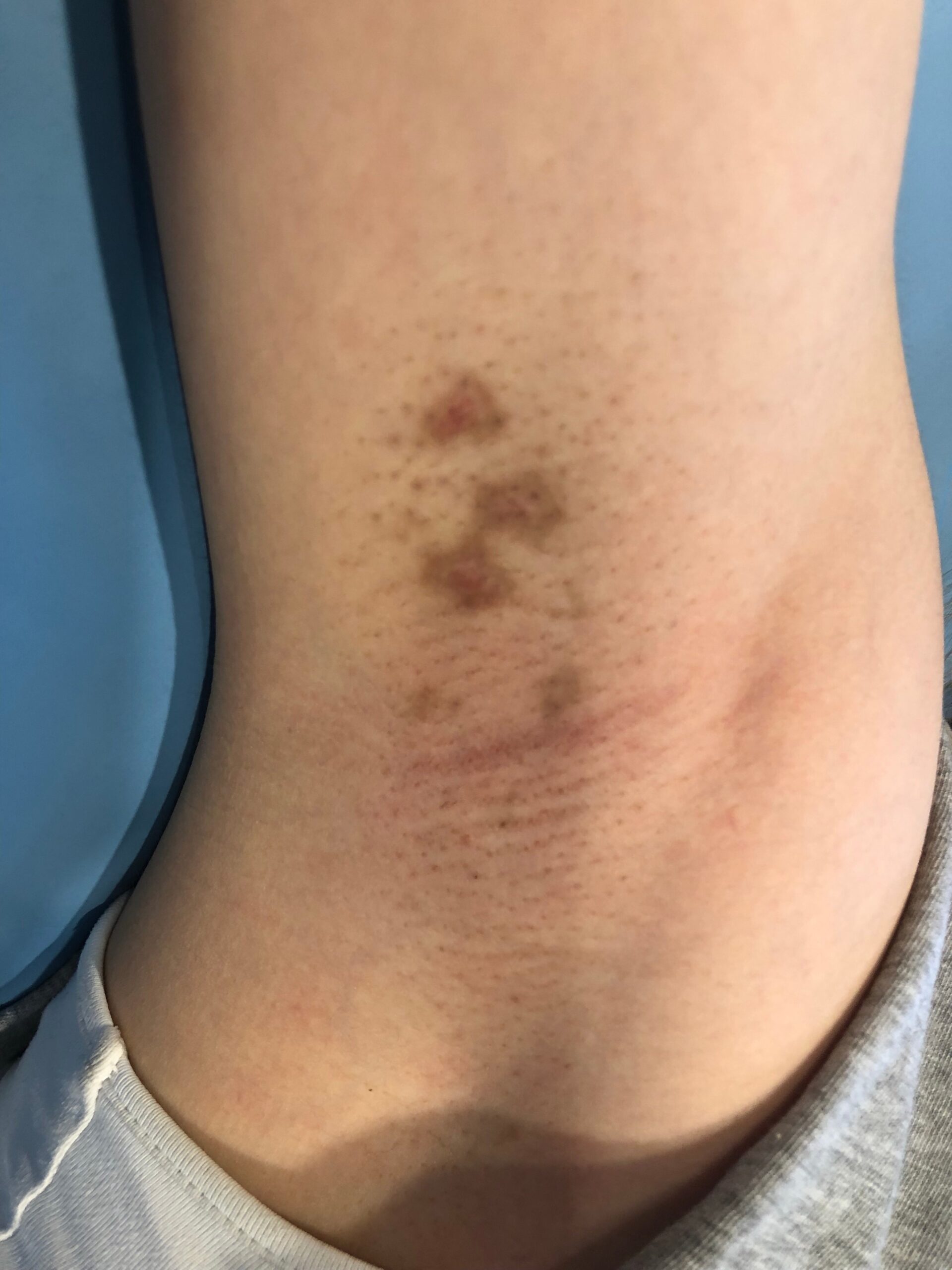
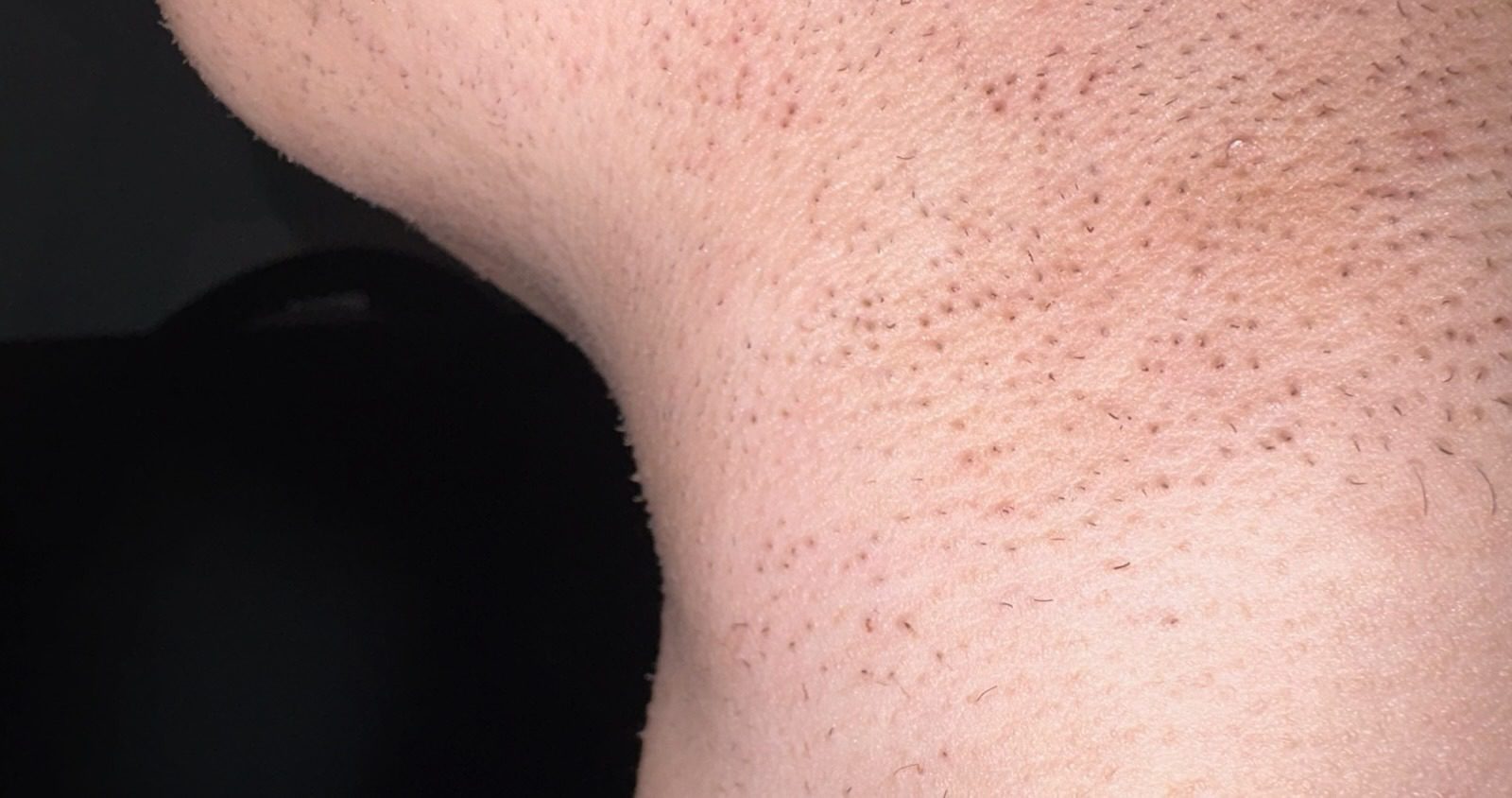
- “Black Dots” (Pepper Spots): You may notice tiny black dots in the treated area. These are simply the burnt, superficial remnants of the hair follicles preparing to shed. They will naturally exfoliate out of the skin within a week or two.
- Mild Scabbing: Occasional, superficial scabbing can occur. It is vital not to pick at these to prevent pigment changes.
- Temporary Pigment Changes: You may experience transient hyperpigmentation (darkening) or hypopigmentation (lightening) of the skin, which usually resolves on its own.
- Urticaria (Hives): While PubMed literature notes that severe persistent urticaria is a documented side effect, it is exceedingly rare. In 18 years of practice, Anara Medspa has not seen a true case of severe urticaria; in many inexperienced clinics, severe perifollicular edema is simply misdiagnosed as hives.
Rare but Serious Complications
When laser hair removal is performed by inexperienced individual, without proper physician oversight, or on the wrong skin type, the risk of serious complications skyrockets.
Paradoxical Hypertrichosis (Hair Stimulation)
Instead of destroying the hair, sub-therapeutic laser energy can sometimes stimulate dormant follicles, causing more hair to grow. A comprehensive 2021 systematic review and meta-analysis published in PubMed found that paradoxical hypertrichosis occurs in approximately 3% of patients, predominantly on the face and neck.
Risk Factors: It is most common in Fitzpatrick skin types III-VI and is heavily linked to underlying hormonal imbalances, such as Polycystic Ovary Syndrome (PCOS).
Permanent Pigment Damage and Scarring
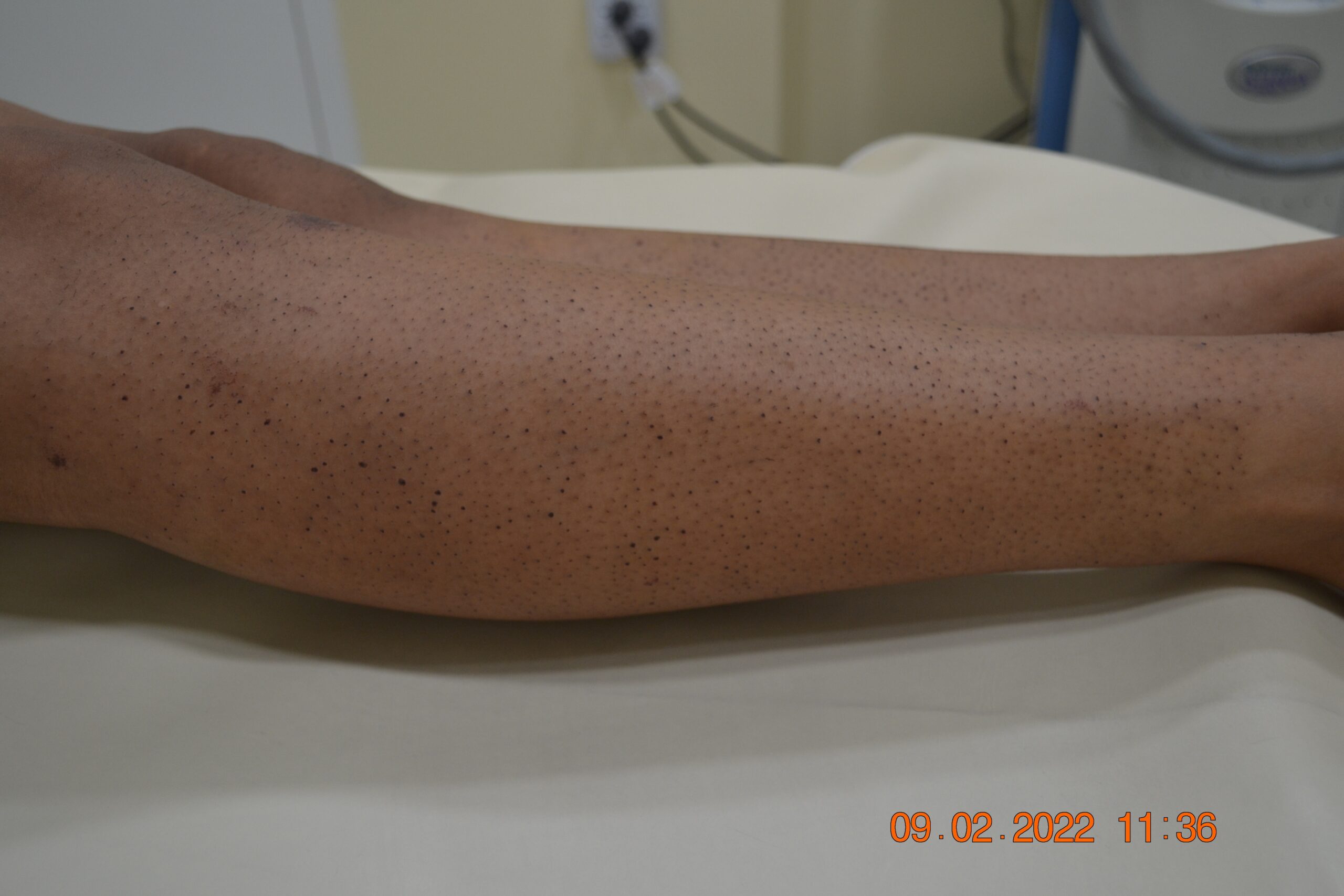
Applying the wrong laser wavelength or excessive heat can cause permanent scarring, severe burns, or permanent hypopigmentation (loss of skin color). Note: While literature often cites hypopigmentation as permanent, Dr. Chandra has clinically observed documented, automatic reversal of pigment loss after several years in some patients.
Ocular (Eye) Damage
Lasers emit intensely concentrated light. Performing laser hair removal anywhere near the face without medical-grade, wavelength-specific protective goggles can result in severe, irreversible eye damage or blindness.
The Anara Medspa Difference: How to Minimize Your Risk
If a clinic guarantees “100% permanent removal” or promises “zero risk of complications,” run away. Every medical procedure carries risk, but choosing the right provider minimizes that risk exponentially. But the risk can never be guaranteed to be zero.
Here is our checklist for choosing a safe laser clinic, based on our gold-standard practices at Anara Medspa:
- Demand a Physician Consultation: In New Jersey, laser hair removal is a medical procedure, not a salon service. Ensure your initial consultation is with a doctor, and in person. Its very difficult to assess someone over a Zoom. Make sure the physician is an MD, DO, ND or NMD. If you are given an answer that they have a medical director, ask if the medical director is trained in the procedures and certified which he/she is directing.
- Evaluate the Consultation Length: The industry standard is a rushed 10 to 15-minute sales pitch. Dr. Chandra spends 45 to 60 minutes with new patients to thoroughly assess skin type, medical history, and set realistic expectations.
- Check for On-Site Physician Oversight: Is the doctor in the building to personally assess your skin, guide the settings, do a good faith examination, order blood tests if needed, or give prescriptions when necessary or are they a “medical director” in name only, sitting remotely?
- Verify Credentials: Look for advanced, specific qualifications, such as certification by the American Board of Laser Surgery or American Board of Dermatology.
- Look for Comprehensive Care: If you have unusual facial hair growth, a premier clinic won’t just laser it; they will investigate the root cause. At Anara Medspa, we routinely perform PCOS blood work and hormonal panels to ensure we treat the underlying issue, preventing complications like paradoxical hair stimulation.
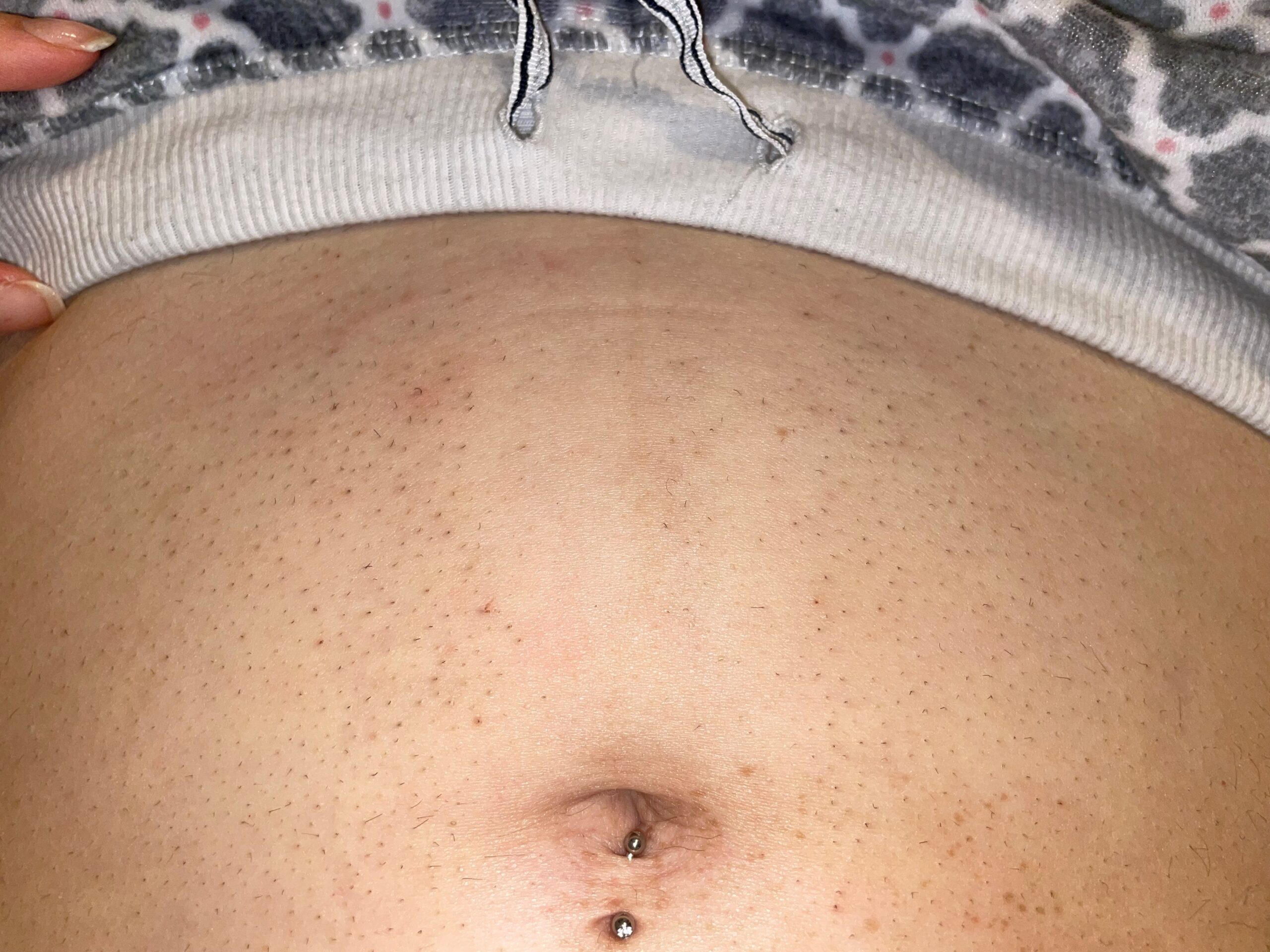
For patients also exploring skin rejuvenation options, treatments like Intimate area peel in New Jersey may be discussed during consultation to address pigmentation or texture concerns safely.
Patient Reviews consistently highlight the importance of physician oversight, detailed consultations, and long-term results when choosing a laser clinic.
Frequently Asked Questions
Is laser hair removal safe?
Yes, laser hair removal is highly safe when performed by trained medical professionals using FDA-approved devices tailored to your specific Fitzpatrick skin type. The risk of severe complications is very low under proper physician oversight.
Why does my skin look bumpy after laser hair removal?
Bumpy, red skin immediately after treatment is a normal clinical endpoint called perifollicular edema. It indicates that the laser successfully targeted the hair follicles and usually subsides within 2-5 days.
Can laser hair removal cause more hair to grow?
Yes, in rare cases (about 3%), a condition called paradoxical hypertrichosis can occur, usually on the face or neck. It is often triggered by using incorrect laser settings or underlying hormonal imbalances like PCOS.
What are the black dots on my legs after laser hair removal?
These “pepper spots” are the burnt remains of the hair root trapped in the follicle. They are harmless and will naturally shed and fall out on their own over the next 1 to 2 weeks.
How do hormones like PCOS affect laser hair removal results?
Hormonal imbalances, particularly Polycystic Ovary Syndrome (PCOS), can stimulate “dormant” hair follicles to become active. While laser hair removal is highly effective for PCOS-related hirsutism, patients may require more sessions (typically 8–12) and more frequent maintenance. At Anara Medspa, we coordinate with your medical history to ensure the laser settings account for these hormonal drivers, preventing the risk of paradoxical hair growth.
Can I get laser hair removal if I have a tan or use self-tanner?
No. You should avoid sun exposure and self-tanning products for at least 4 weeks prior to treatment, and longer if you have darker skin tones. Lasers target pigment; if your skin has extra melanin from a tan (natural or bottled), the laser may stay on the surface of the skin rather than traveling to the follicle, significantly increasing the risk of burns or hyperpigmentation.
What is the "Fitzpatrick Scale," and why does my doctor need to know mine?
The Fitzpatrick Scale is a medical classification system (Types I–VI) that determines how your skin responds to UV light and heat. It is the “gold standard” for safety in laser medicine. High-quality clinics like Anara Medspa use this scale to choose the specific laser wavelength such as Nd:YAG for darker skin (Types IV-VI) or Alexandrite for lighter skin (Types I-III) to ensure the hair is destroyed without damaging the surrounding skin.
Is there any downtime or "recovery period" after a session?
Technically, there is zero clinical downtime, and you can return to work immediately. However, at least for the first 48 hours, you must avoid “The Three S’s”: Sweat, Sun, and Saunas. Excess heat or friction can irritate the follicles while they are in their post-laser healing phase. We recommend loose clothing and gentle, fragrance-free moisturizers during this window.
Why is physician oversight important for laser hair removal in New Jersey?
In NJ, laser hair removal is legally considered a medical procedure. Physician oversight ensures that if a rare side effect occurs, such as a burn or a paradoxical growth response, a doctor is on-site to diagnose and treat it immediately. Furthermore, a physician can perform medical screenings for underlying conditions (like hormonal issues) that an esthetician or laser technician might miss, ensuring your treatment is both safe and effective.

Anara Medspa FAQs: 20 Most-Asked Questions (Answered Clearly)
If you’re researching a medspa in East Brunswick, NJ (and nearby Central New Jersey areas including Middlesex, Monmouth, Somerset, Mercer, Union, and Ocean Counties), you’ll see the same questions come up again and again about safety, credentials, pricing, results, downtime, and which treatment is actually right for you.
Below is a clear, patient-friendly FAQ guide that answers the 20 most common questions people ask before booking at Anara Medspa & Cosmetic Laser Center.
What treatments do you offer at Anara Medspa?
At Anara Medspa, we offer a physician-led menu of aesthetic and skin-rejuvenation services. The most commonly requested categories include laser hair removal, Botox-type wrinkle relaxers, dermal fillers, medical microneedling (including RF microneedling), IPL photofacials, chemical peels, and no-downtime hydradermabrasion-style hydrofacials. We also offer select wellness services such as physician-guided weight management for appropriate candidates.
If you’re unsure what you need, the safest first step is a consultation so we can match your goals, skin type, and medical history to the right plan.
Related pages on anaramedspa.com:
- Laser hair removal
- Botox
- Dermal fillers
- Microneedling
- IPL photofacial
- Chemical peels
- Hydradermabrasion Hydro-Facial
- Weight management (THINNR)
- Request an appointment / consultation
How do I know which treatment is right for me?
The “right” treatment depends on your skin type, your goals, your timeline, and what your face or skin is actually doing (texture, pigment, volume loss, expression lines, acne, etc.). A good consultation is less about picking a trending procedure—and more about building a logical plan.
As a simple guide:
• Expression lines (forehead, frown lines, crow’s feet) often respond to Botox-type treatments.
• Volume loss (cheeks, lips, under-eyes, jawline) may respond to fillers.
• Texture, pores, acne scars often improve with microneedling (usually a series).
• Sun damage, redness, uneven tone may improve with IPL or a peel.
• Unwanted hair and ingrowns often improve with laser hair removal.
We will recommend what fits your skin—not a one-size-fits-all approach.
Related pages on anaramedspa.com:
- Conditions treated
- What is my skin type? (Fitzpatrick guide)
- Microneedling
- Chemical peels
- IPL photofacial
- Request a consultation
Who will perform my treatment, and what are their credentials?
At Anara, Dr. Ram Chandra, MD leads medical aesthetics and laser care. This matters because outcomes and safety depend heavily on clinical experience, anatomy knowledge, and the protocols used for each device or injectable.
If you ever want clarity on who will be performing your procedure (or assisting), we encourage you to ask. Transparency is part of high-quality care.
Related pages on anaramedspa.com:
Is there a doctor involved in care and supervision?
Yes. Anara is structured as a physician-led aesthetic practice. That means medical judgment is part of the process especially for procedures like lasers and injectables where candidacy, settings, technique, and complication planning are critical.
If you have a complex history (pigment issues, cold sores, autoimmune conditions, medications, pregnancy/breastfeeding, etc.), physician involvement is particularly important when choosing and timing treatments.
Related pages on anaramedspa.com:
Is the treatment safe? What are the risks or side effects?
Most treatments are very safe when you’re properly screened and treated with appropriate settings and technique. That said, all procedures have potential risks.
Examples include:
• Laser hair removal: temporary redness/swelling; rare blistering; pigment changes (risk increases with tanning or incorrect settings).
• Botox-type treatments: bruising, temporary heaviness/asymmetry, headache (usually short-lived).
• Dermal fillers: swelling/bruising; lumps; and rare but serious vascular complications.
• Microneedling / peels / IPL: redness, peeling, irritation; in some skin types, risk of post-inflammatory pigmentation if aftercare is not followed.
Your medical history can change what is appropriate, so we take screening seriously.
Related pages on anaramedspa.com:
- Spa policy (appointments, cancellations, treatment policies)
- Laser hair removal in New Jersey
- Botox
- Dermal fillers
- Microneedling
- IPL photofacial
- Chemical peels
Do treatments hurt?
Discomfort varies by the procedure and the area treated.
• Laser hair removal is often described as quick “snaps” of heat (some areas feel more sensitive than others).
• Microneedling typically feels like pressure/scratching; topical numbing is commonly used.
• Injectables feel like quick pinches.
We focus on comfort, but we also keep the treatment effective—because overly “gentle” settings can mean disappointing outcomes.
Related pages on anaramedspa.com:
What results can I realistically expect – and how soon will I see them?
Realistic expectations are essential.
• Botox-type treatments: many patients notice early changes within days; final results commonly settle around 10–14 days.
• Fillers: immediate improvement, with settling over days to weeks.
• Microneedling: gradual improvement as collagen remodels—often weeks to months.
• IPL/peels: tone and clarity typically improve progressively, especially with a series.
• Laser hair removal: reduction builds over multiple sessions; maintenance can be needed long-term.
We aim for natural-looking improvement not “one visit perfection.”
Related pages on anaramedspa.com:
How long do results last?
It depends on the treatment and your biology.
• Botox-type injections commonly last a few months (timing varies by person).
• Fillers vary widely by product and area (some areas metabolize faster).
• Microneedling can improve texture and firmness, but skin continues to age maintenance helps.
• Laser hair removal often provides long-term reduction; hormonal changes can cause new growth over time.
Related pages on anaramedspa.com:
What is the downtime or recovery time like?
Downtime varies.
Some treatments cause mild redness for a few hours. Others can cause visible redness, peeling, or sensitivity for several days.
The best planning question is: “What will I look like tomorrow?” We’ll guide you based on the exact procedure, intensity, and your skin type.
Related pages on anaramedspa.com:
Can I go back to work after treatment?
Often, yes – depending on the treatment and your schedule tolerance for redness or swelling.
Many patients return to work the same day after injectables or lighter treatments. Peels or more intensive microneedling may be better planned before a quiet few days.
If you have an event coming up, tell us your timeline so we can plan the right treatment (and intensity) for your calendar.
Related pages on anaramedspa.com:
- Request appointment / consultation
- Spa policy (timing, appointments, cancellations)
- Botox
- Hydro-Facial
How many treatments will I need?
Many aesthetic results require a series.
Laser hair removal commonly requires multiple sessions because hair grows in cycles. Microneedling often works best in a series (especially for scars/texture). IPL and peels frequently perform better as planned sequences rather than one-off visits.
During consultation, we’ll estimate your session count and spacing based on your skin, hair, and goals.
Related pages on anaramedspa.com:
How should I prepare for my appointment?
Preparation depends on the service, but common guidance includes:
• Avoid tanning/sun exposure before laser and pigment-sensitive treatments.
• Share your medication list and skincare routine (especially retinoids/acne meds).
• Arrive with clean skin when instructed.
• Follow any shaving instructions for laser hair removal (if applicable).
We provide written instructions tailored to your treatment and skin type.
Related pages on anaramedspa.com:
What does aftercare look like?
Aftercare is a major driver of both results and safety.
Typical aftercare themes include protecting the skin barrier (gentle cleanser + moisturizer), strict sun protection after peels/IPL/microneedling, avoiding heat/heavy sweating for the recommended window, and not picking/peeling treated skin.
We’ll give you specific do’s and don’ts based on the exact procedure performed.
Related pages on anaramedspa.com:
Do you have before-and-after photos or reviews?
Yes. Before-and-after photos and patient feedback are helpful especially when you’re comparing providers.
The most useful examples are those that match your concern (acne scars vs pigment vs wrinkles), your skin type, and the treatment you’re considering.
Related pages on anaramedspa.com:
How long has Anara Medspa been in business, and how experienced are you with these treatments?
Anara Medspa has served New Jersey patients for many years, with a focus on evidence-based, physician-led aesthetic care.
If you want specifics about a particular procedure (for example, a certain laser area or filler region), ask usmwe’ll give you a straightforward answer.
Related pages on anaramedspa.com:
How much do treatments cost?
Pricing varies based on treatment type and complexity, treatment area size (for laser), amount of product used (for injectables), and whether you’re doing a single visit or a package/series.
The most accurate pricing comes after a consultation, because that’s when we can match the cost to the plan that will actually work for you.
Related pages on anaramedspa.com:
Do you offer packages, memberships, or financing?
Many patients prefer structured options for series-based treatments. Anara offers membership-style savings (Anara VIP) and financing options may be available depending on the service.
If budget planning matters (it does for most people), ask us for the total investment estimate not just the per-session price.
Related pages on anaramedspa.com:
Laser hair removal: Does it work on my skin type? What areas can be treated?
These are top laser questions.
Most body areas can be treated (face, underarms, legs, bikini, back, chest, arms, and more). Results depend on hair color/thickness and your skin type. Safety depends on correct settings and protocols especially for pigment-prone skin or recent sun exposure.
Your consultation confirms candidacy and sets a safe plan.
Related pages on anaramedspa.com:
- Laser hair removal in New Jersey
- What is my skin type? (Fitzpatrick)
- Advances in laser hair removal techniques (blog)
- Can estheticians do laser hair removal in NJ? (blog)
Botox and fillers: What’s the difference, and will I look natural?
Botox-type treatments relax the muscles that create expression lines. Dermal fillers restore or enhance volume and shape.
Natural-looking results depend on conservative dosing, facial anatomy, and an approach that respects balance. Our goal is “refreshed” rather than “overdone.”
Related pages on anaramedspa.com:
Comparing treatments: Should I do microneedling or a chemical peel?
This is one of the most common “either/or” questions.
Microneedling is often best for texture, pores, acne scars, and fine lines (collagen-based change). Chemical peels are often best for brightness, acne, pigment, and superficial texture (surface renewal).
Sometimes the best answer is a phased plan doing the right treatment at the right time, rather than trying to force one procedure to do everything.
Related pages on anaramedspa.com:
How to get started
If you’re in East Brunswick or nearby Central New Jersey, the best first step is a consultation so we can recommend a safe, effective plan for your skin and goals.
Request an appointment: Secure Appointment Now
Contact us: Contact Anara Medspa
Important note:
This article is educational and not a substitute for medical advice. Individual recommendations depend on your medical history, skin type, and an in-person evaluation.
Medical disclaimer: Read the medical disclaimer
Optional medical references (for readers who want the science)
Top Reasons Laser Hair Removal Is Growing Fast in Cosmetic Care
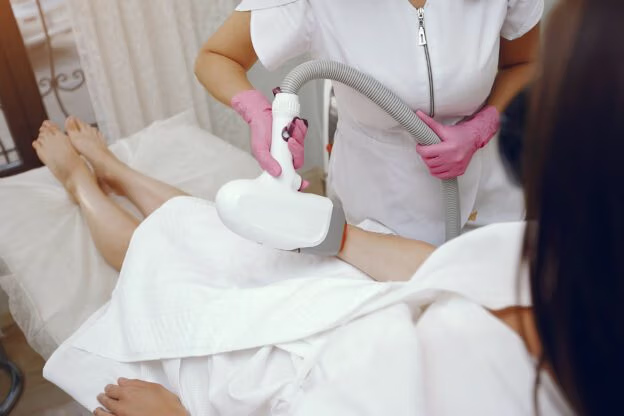
Laser hair removal is becoming one of the most popular cosmetic procedures because it offers long-term hair reduction, fewer ingrown hairs, smoother skin, and lower maintenance compared to shaving or waxing.
At Anara MedSpa in New Jersey, laser hair removal treatments are customized based on skin type, hair texture, treatment area, and individual goals. Whether someone wants to reduce facial hair, simplify body grooming, or improve irritation caused by shaving, laser hair removal continues to grow in popularity for both women and men.
For patients searching online for laser hair removal near me, the appeal often goes beyond convenience. Many people are also looking for smoother skin, less irritation, and treatments that fit into busy lifestyles without constant upkeep.
Why Traditional Hair Removal Methods Frustrate So Many People
Shaving, waxing, threading, and tweezing are still common, but they often come with ongoing frustration.
Shaving may cause:
- Razor burn
- Cuts and irritation
- Daily or frequent maintenance
- Dark shadowing on the skin
- Ingrown hairs
Waxing can become expensive over time and may leave the skin feeling sensitive for days. Threading and tweezing work for smaller areas, but they are not always practical for larger treatment zones like the legs, back, or chest.
This is one reason more people searching for medspa near me or laser hair removal near me are exploring treatments that offer longer-lasting results instead of short-term fixes.
Laser Hair Removal Is Designed for Long-Term Hair Reduction
One of the biggest reasons laser hair removal continues to grow in popularity is because it can significantly reduce unwanted hair growth over time.
Unlike shaving, which only removes hair from the surface, laser energy targets the hair follicle underneath the skin. Over a series of sessions, many patients notice:
- Slower regrowth
- Finer hair texture
- Less visible hair
- Reduced shaving frequency
- Smoother-feeling skin
Because hair grows in cycles, multiple treatments are usually needed for the best results. Treatment plans are often customized depending on:
- Hair thickness
- Hair color
- Skin tone
- Hormonal factors
- Treatment area
Patients often choose laser hair removal for:
- Underarms
- Bikini line
- Legs
- Face
- Chin
- Upper lip
- Neck
- Chest
- Back
- Arms
Fewer Ingrown Hairs Is a Major Benefit
Ingrown hairs are one of the most common reasons patients start considering laser hair removal.
Repeated shaving and waxing can trap hair beneath the skin, leading to:
- Red bumps
- Painful irritation
- Dark spots
- Itching
- Inflammation
Laser hair removal may help reduce these issues because there is less thick hair regrowth after treatment. Areas such as the bikini line, beard area, underarms, and neck are especially common for recurring ingrown hairs.
For patients with deeper skin tones, ingrown hairs can sometimes leave noticeable discoloration after healing. Professional laser treatment plans can help reduce repeated irritation while supporting smoother-looking skin over time.
Busy Lifestyles Are Changing Beauty Routines
Many people no longer want to spend extra time shaving before vacations, workouts, social events, or beach days.
Laser hair removal has become popular because it helps simplify grooming routines. While treatment requires a series of appointments, many patients eventually spend far less time managing unwanted hair.
Small areas such as the upper lip or underarms may only take a short visit, while larger areas require longer sessions. For many patients, the long-term convenience becomes one of the biggest advantages.
This is especially true for people searching for laser hair removal in New Jersey who want a lower-maintenance beauty routine that still helps them feel confident and polished.
Smoother Skin Without Constant Irritation
Another reason laser hair removal has become so widely requested is because many patients enjoy the smoother feel of their skin after treatment.
Frequent shaving can leave skin feeling rough or irritated, especially in sensitive areas. Waxing may also trigger redness or inflammation for some people.
Laser hair removal treatments are often chosen by patients who want:
- Smoother underarms
- Cleaner bikini lines
- Less neck irritation
- Reduced facial hair maintenance
- Easier body grooming
Patients searching for a medical spa near me are often looking for more than basic hair removal. Many want professional treatment planning, modern technology, and customized care that considers their skin sensitivity and long-term goals.
Modern Laser Technology Is More Advanced Than Before
Laser hair removal technology has improved significantly over the years.
Modern systems can often be adjusted based on:
- Skin tone
- Hair thickness
- Treatment location
- Sensitivity level
- Hair density
This is important because patients in New Jersey have a wide variety of skin tones and hair types. A professional consultation helps determine which settings and treatment approach may be safest and most effective for each patient.
Patients searching for the best laser hair removal service should look for providers who understand how to customize treatments appropriately instead of using the same settings for everyone.
Laser Hair Removal Fits Both Men and Women
Laser hair removal is no longer viewed as a treatment only for women.
Many men now choose laser hair removal for:
- Beard line cleanup
- Neck irritation
- Back hair
- Chest hair
- Shoulder hair
Women commonly seek treatment for:
- Legs
- Bikini area
- Underarms
- Chin
- Upper lip
- Arms
Because treatments can be personalized, laser hair removal works well for many different cosmetic goals and lifestyles.
Why Professional Consultation Matters
Laser hair removal should never feel rushed or one-size-fits-all.
A professional provider should evaluate:
- Skin tone
- Hair color
- Hair thickness
- Medical history
- Tanning history
- Medications
- Skin sensitivity
- Treatment goals
At Anara MedSpa in New Jersey, laser hair removal treatments are planned carefully to help support skin safety, comfort, and realistic expectations throughout the process.
For patients searching online for laser hair removal near me or medspa near me, choosing an experienced provider can make a significant difference in treatment planning and long-term results. Be sure to ask about our latest promotions and special offers on laser hair removal treatments.
Final Takeaway
Laser hair removal is growing in popularity because it offers convenience, smoother skin, long-term hair reduction, and relief from common shaving or waxing concerns. The best results come from consistent sessions, appropriate laser technology, and experienced provider guidance. Contact us today to learn more about our advanced laser hair removal treatments and book an appointment for a personalized consultation
Frequently Asked Questions
What is the best laser hair removal near me?
The best option is a provider who evaluates your skin tone, hair type, treatment area, and medical history before creating a treatment plan.
Why is laser hair removal so popular?
It is popular because it can reduce long-term hair growth, save time, improve skin smoothness, and reduce shaving or waxing irritation.
Does laser hair removal help with ingrown hairs?
Yes. By reducing hair growth, laser hair removal may help reduce recurring ingrown hairs, razor bumps, and irritation.
How many laser hair removal sessions are needed?
Most patients need multiple sessions because hair grows in cycles and not every follicle responds at the same time.
Is laser hair removal safe for darker skin tones?
It can be safe when the provider uses appropriate technology, conservative settings, and proper skin-type evaluation.
What should I look for in a Medspa near me for laser hair removal?
Look for experienced providers, customized laser settings, clear safety protocols, realistic expectations, and proper aftercare guidance.
Advanced Laser Hair Removal New Jersey
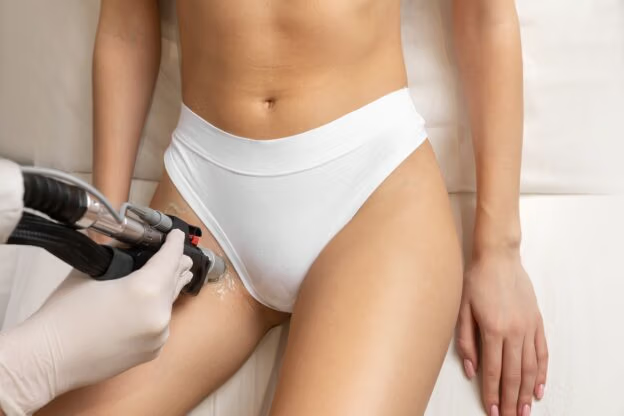
Laser hair removal is not a one-size-fits-all treatment. The best laser depends on your skin type, hair color, hair thickness, body area, tanning history, medical history, and the experience of the person performing the procedure. For many patients, the most important “advance” in laser hair removal is not just a newer machine it is the ability to choose the right wavelength, settings, cooling method, and treatment plan for that individual.
At Anara Medspa in East Brunswick, New Jersey, laser hair removal is approached as a medical aesthetic procedure, not a simple spa service. Dr. Ram Chandra, MD, evaluates skin type, hair type, safety risks, and realistic expectations before treatment so that patients receive a customized plan rather than a generic “package.”
Why Laser Hair Removal Technology Has Improved
Early laser hair removal worked best for people with very light skin and dark, coarse hair. That is because the laser targets melanin, the pigment in the hair shaft. The light energy is converted into heat, which damages the hair follicle and reduces future growth. The challenge is that melanin is also present in the skin, especially in darker skin types. This is why laser choice and settings matter so much. The American Society for Laser Medicine & Surgery explains that laser hair removal works through selective photothermolysis and that dark, coarse hair responds better than gray, blonde, white, or red hair.
Today, advanced laser platforms allow treatment of a broader range of skin tones, including brown and darker skin, when the correct wavelength and parameters are selected. However, “safer” does not mean risk-free. Burns, pigmentation changes, blistering, and scarring can occur when laser hair removal is performed with poor settings, poor patient selection, or inadequate training. The American Academy of Dermatology specifically warns that laser hair removal can be dangerous in inexperienced hands and that eye protection is required during the procedure.
Laser Hair Removal Is Really Laser Hair Reduction
Laser hair removal usually means long-term hair reduction, not guaranteed permanent removal of every hair.
Most patients need a series of treatments because hair grows in cycles. The laser works best when the hair is in the active growth phase. Since not all hairs are in that phase at the same time, multiple sessions are needed. Mayo Clinic notes that most people need several treatments, and occasional follow-up treatments may be needed to maintain results.
This is especially important for facial hair. Hormones, genetics, age, menopause, PCOS, and medications can all influence new hair growth over time. Areas like the underarms, bikini line, and lower legs often maintain results longer than the face, where maintenance may be needed more frequently. Ask our team about our latest promotion and customized treatment packages designed to support long-lasting smooth skin results.
The Main Laser Hair Removal Technologies
1. Alexandrite Laser: Often Excellent for Lighter Skin Types: The Alexandrite laser operates at 755 nm. It is highly absorbed by melanin, which makes it very effective for many patients with lighter skin and dark hair. It can be fast and efficient for larger areas such as legs, arms, underarms, and bikini line.
However, because Alexandrite energy is strongly absorbed by pigment, it must be used carefully. In darker or recently tanned skin, the risk of burns, post-inflammatory hyperpigmentation, and hypopigmentation can be higher if settings are not chosen properly.
Best suited for: Fair to light-olive skin with dark hair, depending on evaluation.
Less ideal for: Deeply pigmented skin, recently tanned skin, or patients with high risk of pigmentation changes.
2. Diode Laser: A Versatile Option for Many Skin Types: The Diode laser, commonly around 800–810 nm, is widely used in laser hair removal because it offers a balance between melanin absorption and depth of penetration. It can be effective for coarse hair and may be suitable for a range of skin tones when used appropriately.
Diode lasers are often promoted as fast, comfortable, and suitable for larger treatment areas. However, results depend heavily on the power, pulse duration, fluence, cooling, and technique. A low-powered diode treatment may feel easy and fast but may not create enough follicular heat for meaningful long-term reduction, especially on stubborn or finer hair.
Best suited for: Many patients with dark, coarse hair and light to medium-brown skin, depending on the device and settings.
Less ideal for: Very light, gray, red, or white hair; very fine hair; or settings that are too low to be effective.
3. Nd:YAGLaser: A Key Option for Darker Skin Types : The long-pulsed Nd:YAG laser operates at 1064 nm. This longer wavelength penetrates more deeply and is less strongly absorbed by epidermal melanin than shorter wavelengths. For that reason, Nd:YAG is often considered one of the safer choices for darker skin types when performed by an experienced laser physician or properly trained medical professional.
This does not mean Nd:YAG is automatically the “best” laser for every patient. It may be less efficient on finer hair compared with Alexandrite in lighter skin. Some patients may need more sessions. But for brown, deeply pigmented, or tanned skin, safety often becomes the priority.
Best suited for: Darker skin types, brown skin, South Asian skin, Middle Eastern skin, Mediterranean skin, Black skin, and coarse/deep hair.
Less ideal for: Very fine or light-colored hair.
4. MicrosecondNd:YAG: Comfortable but Not Always Practical for Large Areas: Some Nd:YAG systems use very short pulse durations, such as 650 microseconds. These can be more comfortable for certain patients and may reduce excessive surface heating. However, small spot sizes may make them less practical for large areas such as full legs, full back, or full body laser hair removal.
At Anara Medspa, this distinction is important: a device may be useful in one situation but not ideal for every body area. A small area with coarse hair is different from full legs, full arms, or a large back treatment.
5. IPL and OPL: Light-Based Hair Reduction, Not True Laser: IPL, or Intense Pulsed Light, is not a laser. It uses a broad spectrum of light rather than one precise laser wavelength. OPL, or Optimized Pulsed Light, is an advanced form of pulsed light designed to improve filtering and energy delivery.
IPL/OPL can be useful in selected patients, especially when the skin is lighter and the hair is dark. However, it is generally less precise than a true laser because it uses multiple wavelengths. IPL may also be less ideal for darker skin types or for patients who need highly customized energy delivery.
Best suited for: Selected lighter skin types with darker hair, and sometimes larger areas when cost and speed are factors.
Less ideal for: Darker skin, tanned skin, fine hair, light hair, or patients with higher pigmentation risk.
6. High-Speed, Low-Fluence Technology: Fast Does Not Always Mean Better: Some systems advertise very fast treatment speeds using low-fluence, high-repetition energy delivery. These treatments may feel more comfortable and may allow larger areas to be treated quickly.
The limitation is that hair follicles need enough heat to create long-term reduction. If the energy is too low, the treatment may be less effective, particularly for lighter, finer, or more resistant hair. In some cases, under-treatment may produce disappointing results.
For patients searching online for full body laser hair removal in New Jersey, this point is very important. A very low price may reflect a high-speed, low-energy approach that prioritizes volume over precision. The better question is not “How fast is the machine?” but “Is this the right wavelength, energy, pulse duration, and treatment plan for my skin and hair?”
Which Laser Is Best for My Skin Type?
Skin / Hair Situation | Often Considered | Important Caution |
Light skin + dark coarse hair | Alexandrite or Diode | Avoid tanning before and after treatment |
Medium or olive skin + dark hair | Diode, Nd:YAG, or carefully selected Alexandrite | Settings must be conservative and customized |
Brown or darker skin + coarse hair | Long-pulsed Nd:YAG often preferred | Experience with skin of color is critical |
Fine hair | Variable response | May require careful evaluation; not always ideal |
Gray, white, blonde, or red hair | Usually poor response | These hairs lack the right melanin target |
Tanned skin | Usually delay treatment | Higher burn and pigmentation risk |
Face or hormonal hair | Laser may help, but maintenance is common | PCOS/hormonal factors may need medical evaluation |
Why Skin of Color Requires Extra Expertise
New Jersey has a very diverse population, including South Asian, Middle Eastern, Hispanic, Mediterranean, East Asian, and African American patients. Many people searching for laser hair removal for Indian skin in New Jersey or safe laser hair removal for brown skin are asking the right question: safety should come before speed.
Darker skin contains more melanin in the epidermis. If the wrong wavelength or aggressive setting is used, the skin not just the hair follicle can absorb too much heat. This can lead to burns, dark marks, light spots, or scars. Mayo Clinic notes that laser choice and energy level are especially important in Black and brown skin to reduce burns and lasting color changes.
At Anara Medspa, this is where physician-led evaluation matters. The treatment plan should consider not only Fitzpatrick skin type, but also recent sun exposure, tanning, melasma tendency, post-inflammatory hyperpigmentation history, medications, and the body area being treated. Book an appointment today to learn more about safe and effective laser hair removal options for your skin tone.
Why At-Home IPL Is Not the Same as Medical Laser Hair Removal
At-home IPL and “laser” devices are popular because they appear affordable and convenient. But they are not equivalent to professional medical lasers. Most home devices operate at much lower energy levels for safety reasons. That may reduce risk, but it can also reduce effectiveness.
There are also safety concerns. The FDA has warned consumers that some laser products sold online may not meet federal safety requirements and may be unsafe if not used responsibly. A 2023 review of light-based home hair removal devices also raised concerns about ocular hazards from IPL and diode-based home devices, especially when protective eyewear is not supplied or used properly.
Patients should be cautious with home devices on the face, near the eyes, on darker skin, over tattoos, or over recently tanned skin. Underpowered light exposure may also fail to produce meaningful long-term reduction and may contribute to unwanted Laser Hair Removal Side Effects such as redness, burns, pigmentation changes, or skin sensitivity.
Is Full Body Laser Hair Removal Right for Everyone?
Not always. Full body laser hair removal should not be treated as a simple “one price fits all” package. Different body areas may need different settings, different spacing, and sometimes different devices. The face behaves differently than the bikini line. The lower legs respond differently than the back. Dark, coarse underarm hair is different from fine upper arm hair.
A careful consultation helps answer:
- Which areas are realistic to treat?
- Which laser wavelength is safest?
- Are there areas where treatment should be avoided?
- Is the patient recently tanned?
- Is the hair too light, gray, red, or fine?
- Is there a hormonal pattern that may require maintenance?
- Is there a history of burns, keloids, melasma, or pigmentation problems?
This is why Anara Medspa emphasizes individualized laser planning rather than generic packages.
What Patients Should Do Before Laser Hair Removal
Before treatment:
1. Avoid tanning and sunburn.
2. Do not wax, tweeze, or thread the area before treatment.
3. Shaving is usually recommended before the appointment.
4. Avoid applying makeup, deodorant, lotions, oils, or self-tanner on the treatment area unless instructed otherwise.
5. Inform the provider about medications, pregnancy, skin conditions, photosensitivity, cold sores, or recent cosmetic procedures.
6. Use proper sun protection before and after treatment.
The American Academy of Dermatology notes that sun protection and proper aftercare reduce the risk of side effects.
Why Choose Physician-Led Laser Hair Removal in East Brunswick, NJ?
Laser hair removal is often marketed as a beauty service, but it is a medical aesthetic procedure involving heat, skin, pigment, and risk. In New Jersey, laser and related medical skin procedures are regulated under medical oversight. The New Jersey Department of Health identifies laser removal, laser resurfacing, and laser skin rejuvenation as procedures regulated by the New Jersey Board of Medical Examiners.
At Anara Medspa & Cosmetic Laser Center in East Brunswick, patients from Middlesex County, Somerset County, Monmouth County, Mercer County, Union County, and nearby communities choose Anara because the treatment is customized, medically supervised, and focused on safe long-term reduction not just quick sessions.
Dr. Ram Chandra, MD, brings years of laser experience and a safety-first approach to hair removal for many skin types. The goal is not to sell one laser as “the best,” but to select the most appropriate technology for the patient’s skin, hair, and treatment area.
Final Takeaway
The biggest advance in laser hair removal is not simply faster machines or cheaper full-body packages. The real advance is customization: choosing the right wavelength, energy, pulse duration, cooling, treatment spacing, and maintenance plan for each patient.
For patients in East Brunswick and Central New Jersey, Anara Medspa offers a physician-led approach that prioritizes safety, realistic expectations, and long-term results.
To learn whether laser hair removal is right for your skin type and hair type, schedule a consultation with Anara Medspa & Cosmetic Laser Center in East Brunswick, NJ.
This article is intended for patient education and is based on peer-reviewed dermatology literature, laser medicine resources, and public health guidance. Laser hair removal outcomes vary by skin type, hair color, hormonal factors, device selection, treatment settings, and provider expertise. A medical consultation is recommended before treatment, especially for patients with darker skin types, recent tanning, melasma tendency, scarring history, photosensitivity, or prior laser complications.
1. Gan SD, Graber EM. Laser hair removal: A review. Dermatologic Surgery. 2013;39(6):823–838. doi:10.1111/dsu.12116.
2. Ibrahimi OA, Avram MM, Hanke CW, Kilmer SL, Anderson RR. Laser hair removal. Dermatologic Therapy. 2011;24(1):94–107. doi:10.1111/j.1529-8019.2010.01382.x.
3. Thomas MM, Houreld NN. The “in’s and outs” of laser hair removal: A mini review. Journal of Cosmetic and Laser Therapy. 2019;21(6):316–322. doi:10.1080/14764172.2019.1605449.
4. Al Muqarrab FJ, Alsuwaidan S, Al Muqarrab Z, Alajlan A. Is It Possible for Light-Based Hair Removal Home Devices to Induce Ocular Damage? Systematic Review. Clinical, Cosmetic and Investigational Dermatology. 2023;16:3731–3742. doi:10.2147/CCID.S442963.
5. Lim SPR, Lanigan SW. A review of the adverse effects of laser hair removal. Lasers in Medical Science. 2006;21(3):121–125.
6. American Society for Laser Medicine and Surgery. Laser Hair Removal. ASLMS patient education resource.
7. American Academy of Dermatology Association. Laser hair removal: FAQs.
8. American Academy of Dermatology Association. Laser hair removal: Preparation.
9. Mayo Clinic. Laser hair removal. Updated March 27, 2026.
10. U.S. Food and Drug Administration. Consumer Safety Alert: Internet Sales of Laser Products. Content current as of March 1, 2023.
11. New Jersey Department of Health. Body Art Skin and Lash Procedures / Procedures Regulated by the New Jersey Board of Medical Examiners. Last reviewed March 28, 2025.
Frequently Asked Questions
What is the best laser for hair removal?
There is no single best laser for everyone. Alexandrite may be excellent for lighter skin with dark hair, Diode can be versatile for many patients, and Nd:YAG is often preferred for darker skin types.
Is laser hair removal safe for Indian or brown skin?
Yes, laser hair removal can be safe for Indian, brown, and darker skin when the correct wavelength and settings are used. Nd:YAG is often considered a safer option for darker skin, but the provider’s experience is critical.
Does laser hair removal permanently remove all hair?
Usually no. A more accurate term is long-term laser hair reduction. Most patients need a series of treatments and occasional maintenance sessions.
Why does facial hair need more maintenance?
Facial hair is more hormonally influenced than areas like underarms, bikini line, and legs. Patients with PCOS, menopause-related changes, or genetic facial hair growth may need ongoing maintenance.
Can laser hair removal work on gray, blonde, white, or red hair?
Laser hair removal works best on dark hair because the laser targets melanin. Gray, white, blonde, and red hair usually respond poorly because they do not absorb enough laser energy.
Is IPL the same as laser hair removal?
No. IPL uses broad-spectrum light, while a laser uses a specific wavelength. IPL can help selected patients, but it is generally less precise than true laser hair removal.
Are at-home IPL devices effective?
At-home devices may reduce some hair in selected people, but they are not equivalent to professional medical lasers. They are usually lower energy and may carry risks if used incorrectly, especially near the eyes or on darker skin.
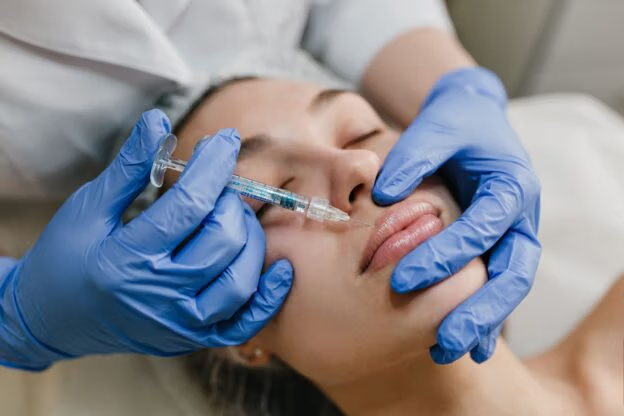
Embracing Beauty Innovations: 2023 Non-Surgical Cosmetic Revolution
The Art of Aesthetic Enhancement Without the Scalpel
In 2023, the realm of cosmetic enhancement witnessed a dramatic shift. The spotlight turned to non-surgical procedures, marking a new era in beauty and self-care. At the forefront of this revolution is Anara Medspa and Cosmetic Laser Center, a name synonymous with cutting-edge, minimally invasive treatments. Here, we delve into the top non-surgical procedures that are redefining beauty standards, offering a glimpse into a world where elegance meets innovation.
The Botox Boom
Botox, the reigning champion of non-invasive procedures, continues to allure clients at Anara Medspa. Revered for its ability to smooth wrinkles and rejuvenate the face, Botox stands as a testament to quick, painless, and profound transformation.
Laser Hair Removal: A Smooth Transition
Embracing the laser’s precision, Anara Medspa has perfected the art of laser hair removal. This procedure offers a long-lasting solution to unwanted hair, promising a future where razor burns and waxing woes are mere memories.
Dermal Fillers: Sculpting The Future
The magic of dermal fillers lies in their ability to reshape and revitalize. Anara’s expert practitioners use these injectables to restore volume, sculpt features, and turn back the hands of time, all without a single incision.
Microneedling: A Thousand Points of Radiance
Microneedling, a process that ignites the skin’s natural healing, has found a special place at Anara. This procedure, known for boosting collagen production, unveils a fresher, firmer, and more youthful complexion.
RF Microneedling: The Next Level
Combining radiofrequency with microneedling, this advanced treatment at Anara enhances the benefits of traditional microneedling, offering deeper, more pronounced results in skin tightening and texture improvement.
Peeling Back the Layers: Medical Grade Chemical Peels
Chemical peels at Anara aren’t just treatments; they’re a journey to newer, brighter skin. These medical-grade peels effectively shed the outer layer of skin, revealing the untouched beauty beneath.
Laser Skin Tightening: The Light Touch of Youth
This procedure redefines skin tightening, using laser technology to stimulate collagen production. Anara’s state-of-the-art lasers promise a non-invasive path to firmer, more youthful skin.
Dermaplaning: The Edge of Elegance
Dermaplaning at Anara offers a unique approach to exfoliation. By gently scraping away dead skin cells and peach fuzz, it leaves the skin smooth, bright, and perfectly primed for other treatments.
Beyond Procedures: The Anara Philosophy
Anara Medspa isn’t just about procedures; it’s a sanctuary where technology meets tranquility. Each treatment is an experience, tailored to individual needs, ensuring that every client leaves feeling not just beautiful, but rejuvenated and empowered. It’s a place where beauty is not just enhanced, but reimagined.
The Future of Beauty
As we look ahead, Anara Medspa and Cosmetic Laser Center continues to be a beacon of innovation in the ever-evolving world of cosmetic treatments. Embracing non-surgical procedures is not just a trend; it’s a lifestyle choice, a commitment to self-care without compromise. If you would like to learn more about available treatments or personalized skincare options, contact us or book an appointment to connect with the experienced team. As we move into 2024, Anara stands as a symbol of this new era in beauty an era where elegance is effortless, and beauty is boundless.
Frequently Asked Questions
What are non-surgical cosmetic treatments?
Non-surgical cosmetic treatments are minimally invasive procedures designed to enhance skin and facial appearance without surgery, often requiring little to no downtime.
Which non-surgical treatments are popular at Anara Medspa?
Popular options include Botox, dermal fillers, microneedling, laser hair removal, dermaplaning, and medical-grade chemical peels for skin rejuvenation.
Are non-surgical cosmetic procedures safe?
When performed by experienced professionals, these treatments are generally safe and designed to provide noticeable improvements with minimal recovery time.
How can I start my non-surgical skincare journey at Anara Medspa?
You can contact us or book an appointment with the Anara Medspa team to receive a personalized consultation and treatment plan.
- Laser hair removal in new jersey
- Botox Treatment
- Dermal Fillers
- Microneedling
- Hydradermabrasion Hydro-Facial
- IPL Photofacial
- Micropeels in New Jersey
- Medical Microdermabrasion
- PRP Procedures
- Chemical Peels
- Laser Vein Removal
- Laser Skin Treatments
- Acne Treatment
- Brown spots, age spots, uneven skin tone & rosacea
- Facials
- Dermaplaning
- RF Microneedling
