Category Archives: skin care
Botox vs. Dysport in East Brunswick, NJ: What Patients Should Know
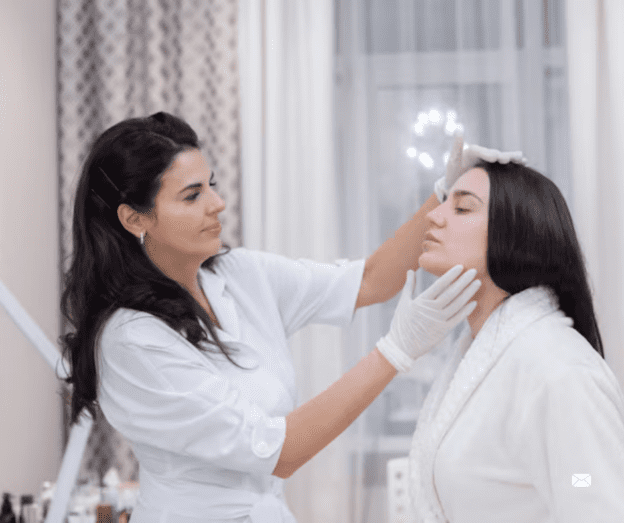
Patients often ask whether Botox or Dysport is the better choice for softening frown lines, forehead lines, or crow’s feet. The better question is usually not which one is cheaper. It is which product fits your anatomy, treatment goals, and safety profile, and whether the treatment is being performed by a qualified medical professional using authentic product from an authorized source, namely Allergan USA or Galderma USA.
At Anara Medspa & Cosmetic Laser Center in East Brunswick, we believe patients deserve clear information before choosing any injectable treatment. This article explains what Botox and Dysport are, how they work, how they differ, how long they may last, the risks of poor technique and counterfeit product, and why a physician-led evaluation matters.
What Botox and Dysport Are
Botox Cosmetic and Dysport are both prescription botulinum toxin type A products used to soften dynamic wrinkles. These are lines that form from repeated facial movement, such as frowning, squinting, or raising the eyebrows.
Both products work by temporarily reducing the nerve signal that tells a targeted muscle to contract. When the correct muscle is treated at the correct dose, the overlying skin may look smoother and more relaxed.
Even though Botox and Dysport are similar, they are not identical products. In the United States, Botox Cosmetic has broader FDA cosmetic approvals than Dysport. That difference can matter when a treatment plan is being designed for different facial areas.
| Feature | Botox Cosmetic | Dysport |
|---|---|---|
| Active ingredient | onabotulinumtoxinA | abobotulinumtoxinA |
| FDA cosmetic approvals in the U.S. | Glabellar lines, forehead lines, crow’s feet, and platysma bands | Glabellar lines |
| Are units interchangeable? | No | No |
| When results may begin | Visible change may begin in 1–2 days; full results are often judged later | Visible change may begin as early as 24 hours for some patients |
| How long results may last | Often about 3–4 months, depending on area and patient factors | Often up to about 4 months, sometimes longer in selected patients |
| Best way to compare value | By treatment plan, injector skill, total dose, and overall result | By treatment plan, injector skill, total dose, and overall result |
How Botox and Dysport In East Brunswick NJ Work
Both Botox and Dysport at work at the neuromuscular junction. In simple terms, they temporarily reduce the message from the nerve to the muscle. When the muscle cannot contract as strongly, the skin above it often looks smoother.
These treatments work best for dynamic lines. A deep line that is present even when your face is fully at rest (static or permanent lines) may improve slightly, but it may not disappear fully with toxin alone. Skin texture, sun damage, collagen loss, and facial volume changes can also affect the final outcome.
The Biggest Differences Patients Should Know
One of the most important points for patients is that Botox and Dysport are not compared unit for unit. Their potency units are product-specific. A low advertised price per unit can therefore be misleading if patients do not understand what is actually being injected.
Some patients feel Dysport begins working quickly. Others prefer Botox because of prior personal experience or because it has broader cosmetic approvals in the United States. In daily practice, there is no universal winner. The best choice depends on facial anatomy, muscle strength, treatment goals, and injector experience.
This is why a thoughtful consultation matters. The right injector does not simply ask which brand you want. The injector evaluates your muscles, brow position, asymmetry, skin quality, and the expression patterns that created the lines in the first place.
Side Effects and Complications
Common temporary issues can include bruising, swelling, redness, headache, injection-site discomfort, temporary asymmetry, eyelid heaviness, or brow heaviness. These problems are often mild and improve with time, but they can still be frustrating for patients.
More serious complications are uncommon, yet they are important to understand. Improper placement, excessive dosing, poor patient selection, not following the post injection instructions correctly or treatment around sensitive anatomical areas can increase the risk of eyelid ptosis, brow droop, uneven results, double vision, trouble swallowing, weakness, or other signs of toxin spread.
Any patient who develops shortness of breath, trouble swallowing, new weakness, or significant vision changes after treatment should seek urgent medical attention by calling 911 or going to the nearest emergency room.
The Danger of Counterfeit Botulinum Toxin
Counterfeit or improperly sourced botulinum toxin is one of the most important safety issues patients should know about. FDA and CDC have issued warnings after patients in multiple states became ill following injections with counterfeit or mishandled product.
Reported symptoms included blurred or double vision, drooping eyelids, dry mouth, weakness, constipation, trouble swallowing, trouble breathing, and hospitalization. These are not minor cosmetic side effects. They are serious medical events.
For that reason, patients should never choose a provider based only on a bargain price or a social media promotion. A very low price may reflect diluted product, gray-market purchasing, counterfeit stock, improper storage, poor reconstitution, or injection by someone who is not properly trained and not licensed to administer this prescription product.
Why Physician-Level Evaluation Matters
Botulinum toxin injections are medical treatments. They require knowledge of anatomy, dosing, reconstitution, contraindications, facial balance, and complication management. They should not be treated like a casual beauty service.
A physician-led evaluation is important because a proper injector needs to understand brow shape, eyelid support, facial asymmetry, prior surgery, muscle pull, and the difference between dynamic and static lines. Some patients also have medical conditions, medications, or anatomical factors that may change whether treatment is appropriate. This may include conditions like myasthenia gravis or myopathies.
At Anara Medspa, we believe that safety and results both depend on a careful in-person assessment. Virtual consultations can be useful in selected situations, but they cannot fully replace a hands-on facial examination when detailed injectable planning is needed.
How to Choose the Right Provider in New Jersey
Patients searching for Botox or Dysport in East Brunswick, Middlesex County, or Central New Jersey should ask practical questions before booking treatment.
Ask which exact product is being used. Ask whether it was obtained from an authorized source. Ask who is injecting you, what professional license they hold, and whether a physician is directly involved in the evaluation and supervision of care. Ask if there is a physician supervising is he/she trained in administering the treatment which he/she is supervising. Ask how complications are handled if they occur.
It is also wise to be cautious about injections offered in homes, pop-up events, hotel settings, or non-medical environments. Convenience and discounts should never take priority over sterility, medical oversight, and authentic product.
Bottom Line
Botox and Dysport can both be effective options for softening dynamic wrinkles when they are chosen thoughtfully and injected well. The most important decision is often not the brand itself. It is the judgment, experience, and medical integrity of the provider.
For patients in East Brunswick and throughout Central New Jersey, the safest path is to choose a qualified medical practice that values authentic product, individualized treatment planning, and patient-first care over volume, shortcuts, or price-driven marketing.
Patient Safety Reminder
Botox and Dysport should be administered only by appropriately licensed and qualified medical professionals using authentic product obtained from authorized sources. Counterfeit or mishandled botulinum toxin can lead to serious complications, including hospitalization.
About Anara Medspa & Cosmetic Laser Center
Anara Medspa & Cosmetic Laser Center is a physician-led medical spa in East Brunswick, New Jersey, serving patients throughout Central New Jersey. Our approach is centered on careful consultations, honest guidance, and treatments performed with safety, precision, and respect for natural-looking results.
Location: 9 Auer Ct Ste CD, East Brunswick, NJ 08816
Phone: 732-777-9577
Website: https://anaramedspa.com/
References
- U.S. Food and Drug Administration. BOTOX Cosmetic prescribing information. https://www.accessdata.fda.gov/drugsatfda_docs/label/2024/103000s5316s5319s5323s5326s5331lbl.pdf
- U.S. Food and Drug Administration. DYSPORT prescribing information. https://www.accessdata.fda.gov/drugsatfda_docs/label/2023/125274s125lbl.pdf
- U.S. Food and Drug Administration. Counterfeit Version of Botox Found in Multiple States. https://www.fda.gov/drugs/drug-safety-and-availability/counterfeit-version-botox-found-multiple-states
- Centers for Disease Control and Prevention. Harmful Reactions Linked to Counterfeit ‘Botox’ or Mishandled Botulinum Toxin Injections. https://www.cdc.gov/botulism/outbreaks/harmful-reactions-botox-injections/index.html
- U.S. Food and Drug Administration. FDA warns companies over illegal marketing of Botox and related products. https://www.fda.gov/news-events/press-announcements/fda-warns-companies-over-illegal-marketing-botox-and-related-products
- American Society of Plastic Surgeons. Choosing a Plastic Surgeon for Botulinum Toxin Injections. https://www.plasticsurgery.org/cosmetic-procedures/botulinum-toxin/surgeon
- American Academy of Dermatology. Botulinum toxin overview. https://www.aad.org/public/cosmetic/wrinkles/botulinum-toxin-overview
- Michaels BM et al. Prospective randomized comparison of onabotulinumtoxinA and abobotulinumtoxinA in upper-face wrinkles. Eplasty. 2012. https://pubmed.ncbi.nlm.nih.gov/22231417/
- Dover JS et al. Botulinum toxin in aesthetic medicine: myths and realities. https://pmc.ncbi.nlm.nih.gov/articles/PMC5821482/
- New Jersey Division of Consumer Affairs. Enforcement announcements relating to unlicensed aesthetic services. https://www.njconsumeraffairs.gov/News/Pages/07102024.aspx
Frequently Asked Questions
What is the main difference between Botox and Dysport?
Both are botulinum toxin type A products used to relax facial muscles that cause dynamic wrinkles. They are similar, but they are not identical products and their units are not interchangeable.
Does Dysport work faster than Botox?
Some patients feel Dysport begins working quickly, sometimes within about 24 hours. Botox may also begin showing visible change within a few days, but timing varies from person to person.
How long do Botox and Dysport results last?
Both are temporary treatments. Many patients notice results lasting around three to four months, although the exact duration depends on the area treated, dose, anatomy, and individual response.
Why does provider selection matter for Botox or Dysport?
These are medical treatments that require knowledge of anatomy, dosing, and complication management. Choosing a qualified medical provider helps reduce risk and improves the chances of balanced, natural-looking results.
The Ultimate Guide to Laser Hair Removal Side Effects: What’s Normal, What’s Not, and How to Stay Safe
If you are considering laser hair removal, you have likely heard about the incredible convenience of ditching your razor for good. However, because it has become so commercialized, many people forget that laser hair removal is a medical procedure. Like any medical treatment, it comes with expected physical responses, potential side effects, and if performed incorrectly serious complications.
At Anara Medspa, under the guidance of Dr. Chandra, an American Board of Laser Surgery board-certified physician, we believe in complete transparency. With over 18 years of experience and more than 60,000 successful procedures, we have seen it all.
If you are searching for Laser hair removal in New Jersey, choosing a medically supervised clinic is essential for both safety and results.
Whether you are in New Jersey or researching globally, this medically backed guide breaks down exactly what to expect after your treatment, the science behind rare complications, and how to protect your skin.
Clinical Endpoints: The “Desirable” After-Effects
When a laser successfully targets and destroys a hair follicle, your skin will react. Many patients mistake these normal clinical endpoints for “bad” side effects, but they are actually proof that the treatment is working.
According to peer-reviewed dermatological studies, these transient reactions resolve entirely within a few days:
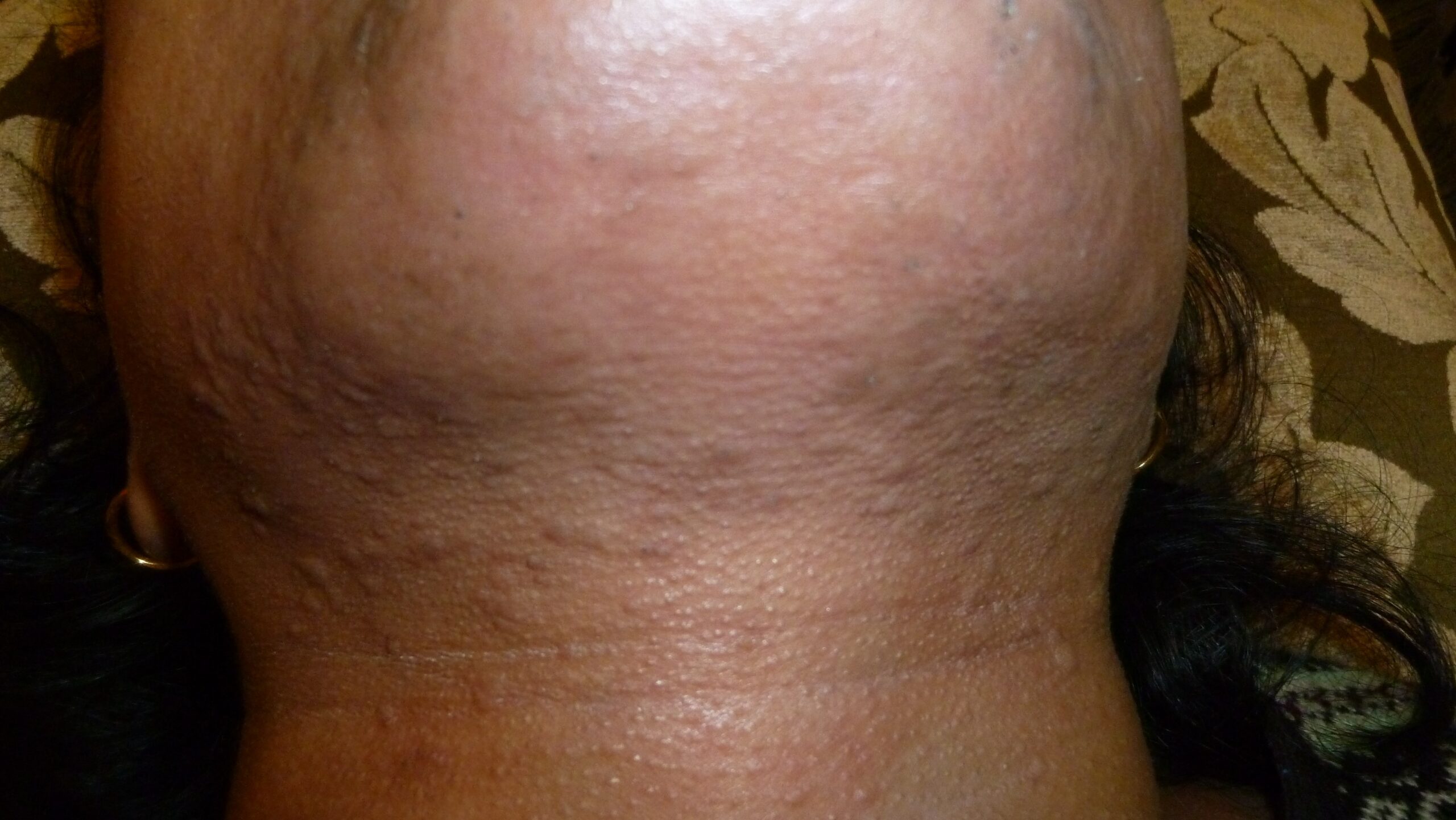
- Perifollicular Edema: This is localized swelling directly around the hair follicle, making the skin look slightly bumpy (like goosebumps). Clinical reviews note that up to 98% of patients experience this immediately after treatment.
- Erythema (Redness): Mild to moderate redness in the treated area is standard and usually dissipates within 1 to 7 days.
- Tightness and Tingling: The skin may feel like a mild sunburn.
- Itching: As the body naturally processes and expels the dead hair follicles, a mild histamine reaction can occur, causing the area to itch.
Common and Temporary Side Effects
While the goal is a smooth recovery, some minor, temporary side effects can occur as your skin heals.
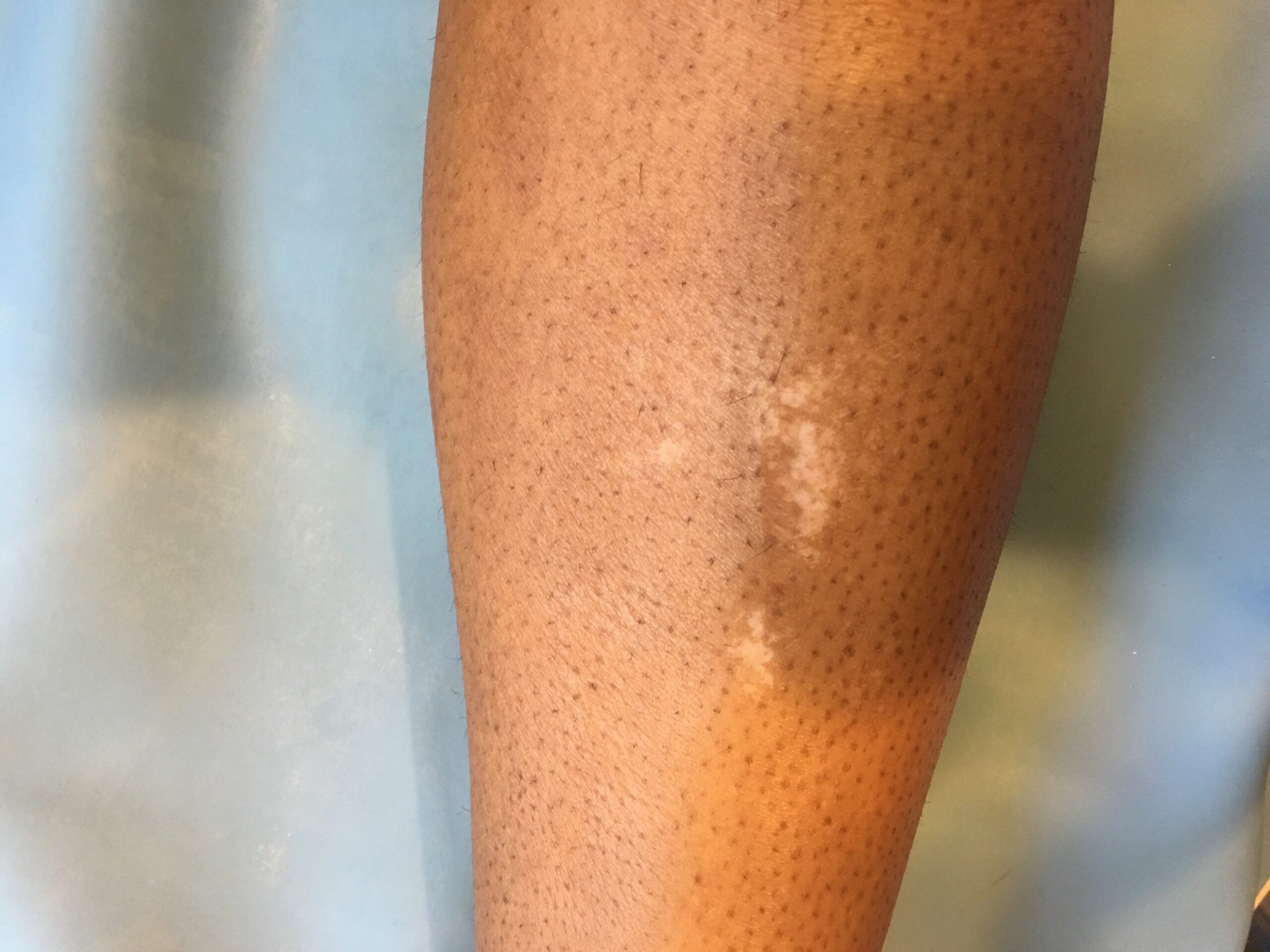
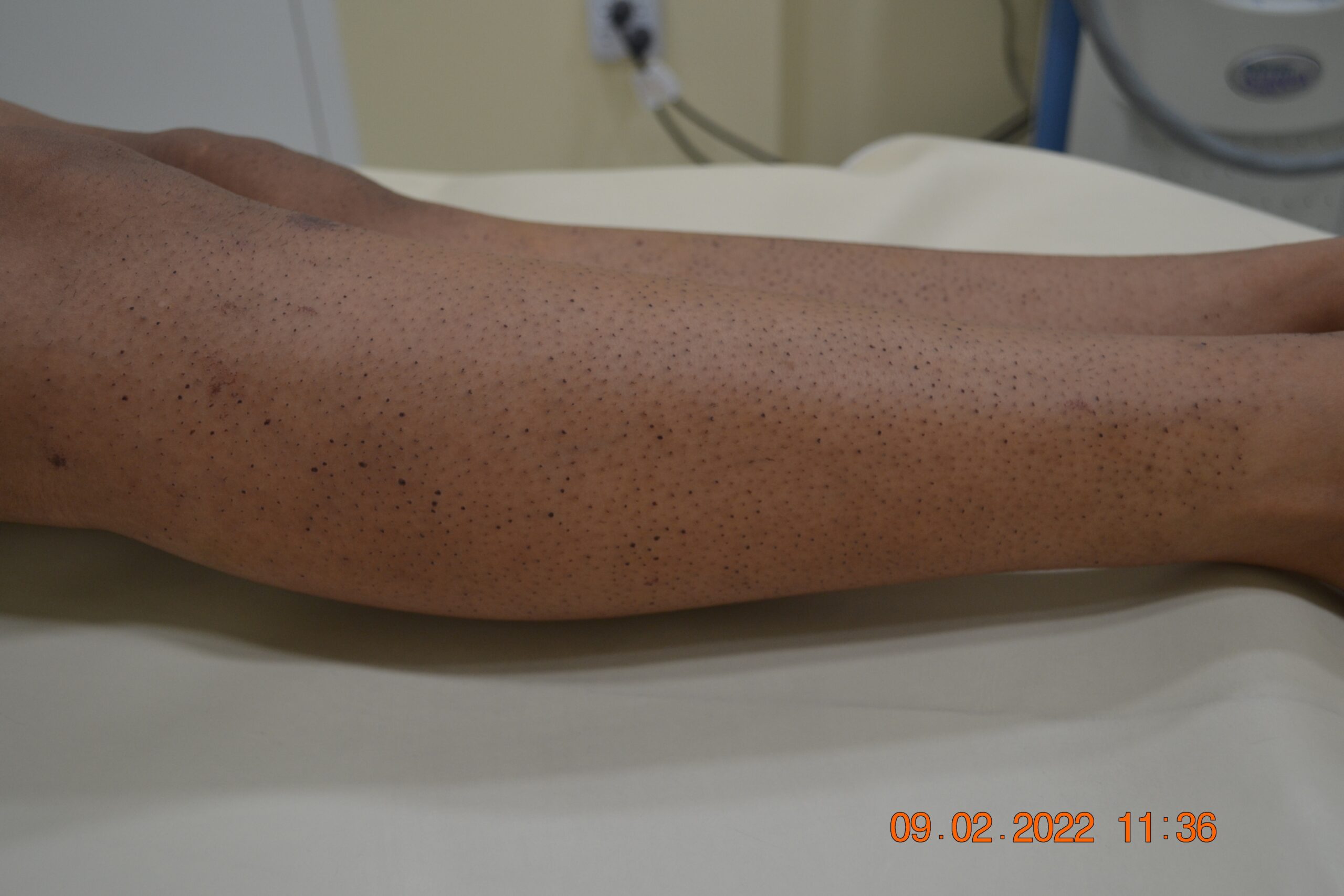
- “Black Dots” (Pepper Spots): You may notice tiny black dots in the treated area. These are simply the burnt, superficial remnants of the hair follicles preparing to shed. They will naturally exfoliate out of the skin within a week or two.
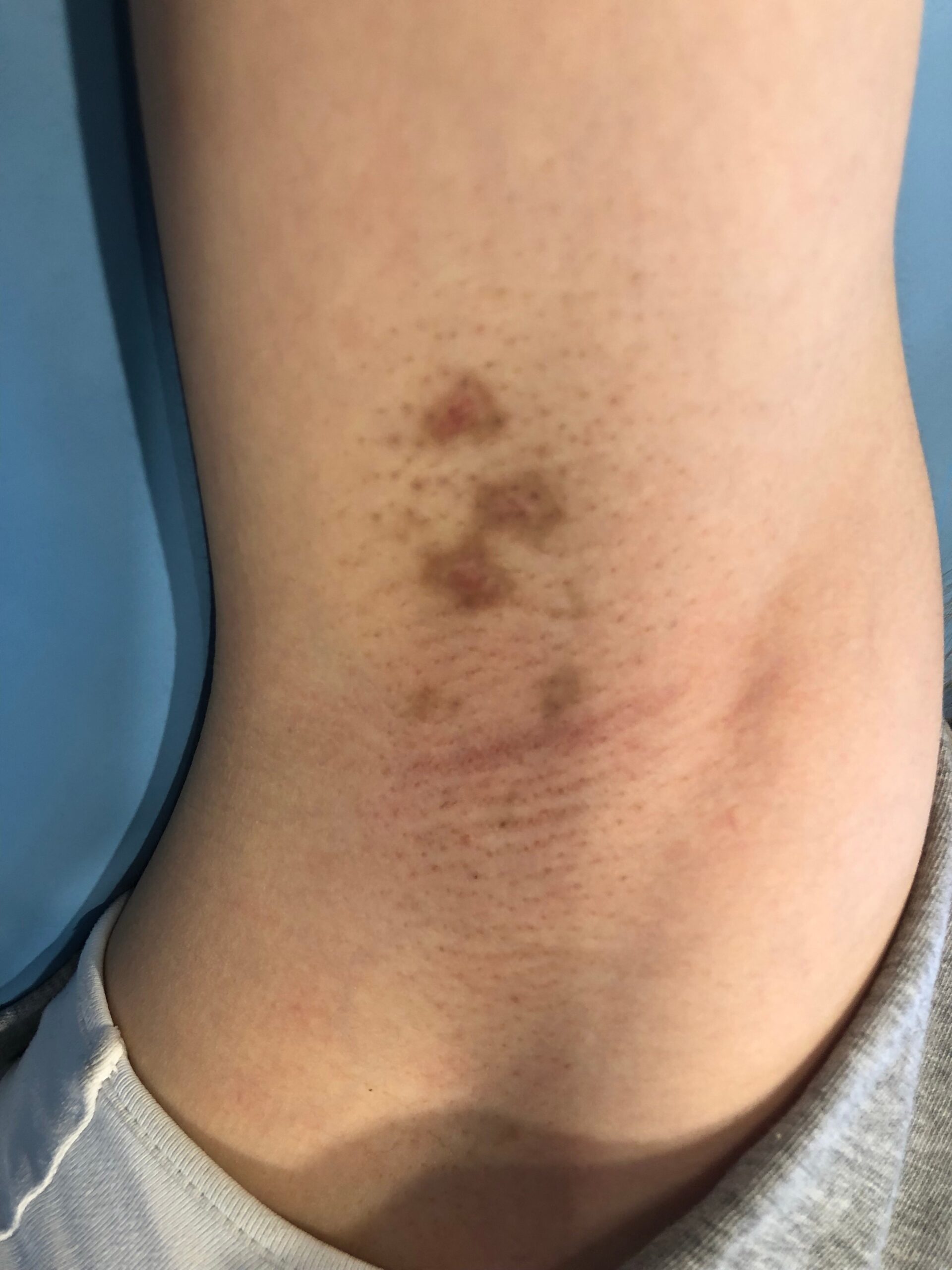
- Mild Scabbing: Occasional, superficial scabbing can occur. It is vital not to pick at these to prevent pigment changes.
- Temporary Pigment Changes: You may experience transient hyperpigmentation (darkening) or hypopigmentation (lightening) of the skin, which usually resolves on its own.
- Urticaria (Hives): While PubMed literature notes that severe persistent urticaria is a documented side effect, it is exceedingly rare. In 18 years of practice, Anara Medspa has not seen a true case of severe urticaria; in many inexperienced clinics, severe perifollicular edema is simply misdiagnosed as hives.
Rare but Serious Complications
When laser hair removal is performed by inexperienced individual, without proper physician oversight, or on the wrong skin type, the risk of serious complications skyrockets.
Paradoxical Hypertrichosis (Hair Stimulation)
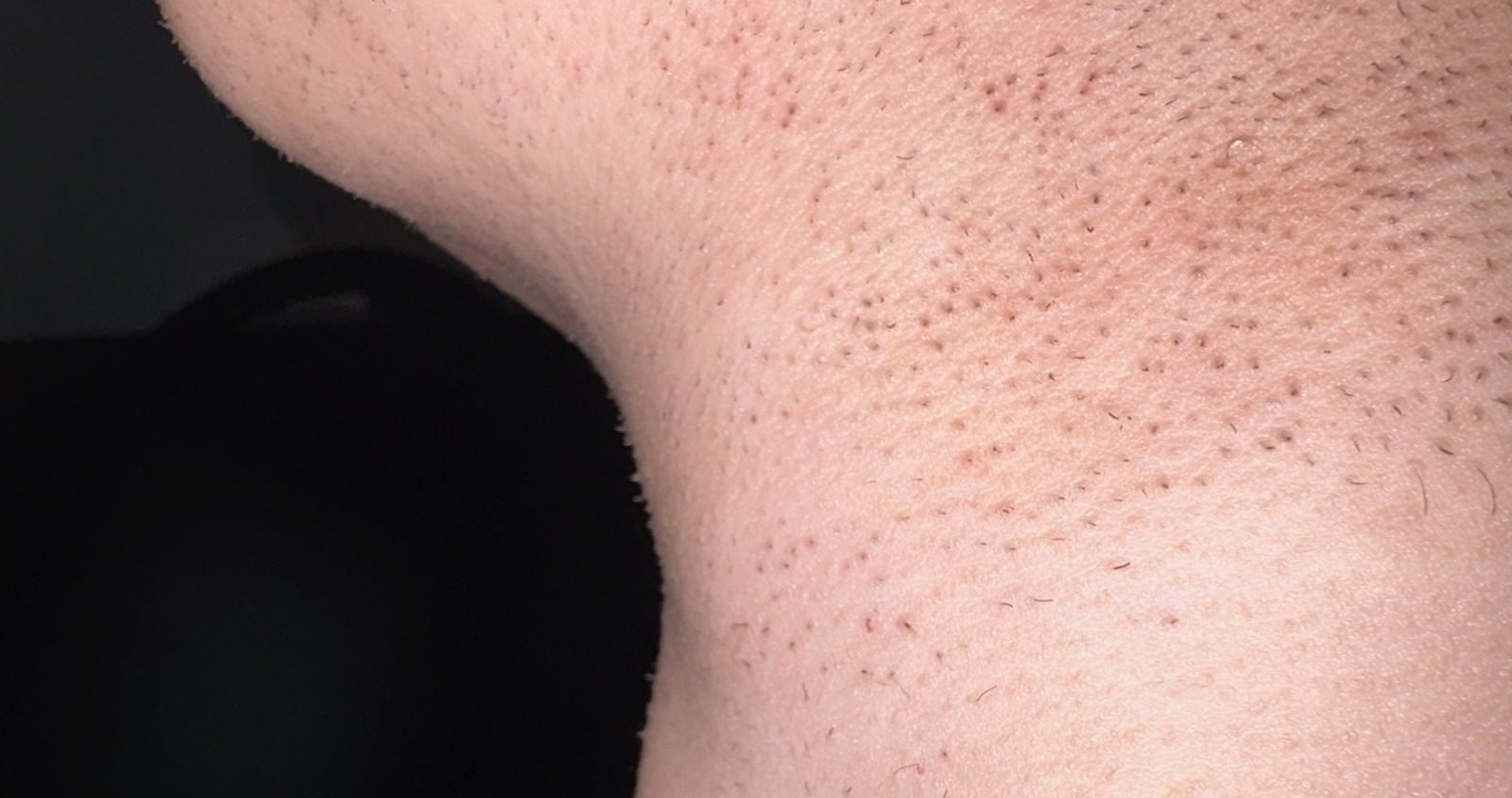
Instead of destroying the hair, sub-therapeutic laser energy can sometimes stimulate dormant follicles, causing more hair to grow. A comprehensive 2021 systematic review and meta-analysis published in PubMed found that paradoxical hypertrichosis occurs in approximately 3% of patients, predominantly on the face and neck.
Risk Factors: It is most common in Fitzpatrick skin types III-VI and is heavily linked to underlying hormonal imbalances, such as Polycystic Ovary Syndrome (PCOS).
Permanent Pigment Damage and Scarring
Applying the wrong laser wavelength or excessive heat can cause permanent scarring, severe burns, or permanent hypopigmentation (loss of skin color). Note: While literature often cites hypopigmentation as permanent, Dr. Chandra has clinically observed documented, automatic reversal of pigment loss after several years in some patients.
Ocular (Eye) Damage
Lasers emit intensely concentrated light. Performing laser hair removal anywhere near the face without medical-grade, wavelength-specific protective goggles can result in severe, irreversible eye damage or blindness.
The Anara Medspa Difference: How to Minimize Your Risk
If a clinic guarantees “100% permanent removal” or promises “zero risk of complications,” run away. Every medical procedure carries risk, but choosing the right provider minimizes that risk exponentially. But the risk can never be guaranteed to be zero.
Here is our checklist for choosing a safe laser clinic, based on our gold-standard practices at Anara Medspa:
- Demand a Physician Consultation: In New Jersey, laser hair removal is a medical procedure, not a salon service. Ensure your initial consultation is with a doctor, and in person. Its very difficult to assess someone over a Zoom. Make sure the physician is an MD, DO, ND or NMD. If you are given an answer that they have a medical director, ask if the medical director is trained in the procedures and certified which he/she is directing.
- Evaluate the Consultation Length: The industry standard is a rushed 10 to 15-minute sales pitch. Dr. Chandra spends 45 to 60 minutes with new patients to thoroughly assess skin type, medical history, and set realistic expectations.
- Check for On-Site Physician Oversight: Is the doctor in the building to personally assess your skin, guide the settings, do a good faith examination, order blood tests if needed, or give prescriptions when necessary or are they a “medical director” in name only, sitting remotely?
- Verify Credentials: Look for advanced, specific qualifications, such as certification by the American Board of Laser Surgery or American Board of Dermatology.
- Look for Comprehensive Care: If you have unusual facial hair growth, a premier clinic won’t just laser it; they will investigate the root cause. At Anara Medspa, we routinely perform PCOS blood work and hormonal panels to ensure we treat the underlying issue, preventing complications like paradoxical hair stimulation.
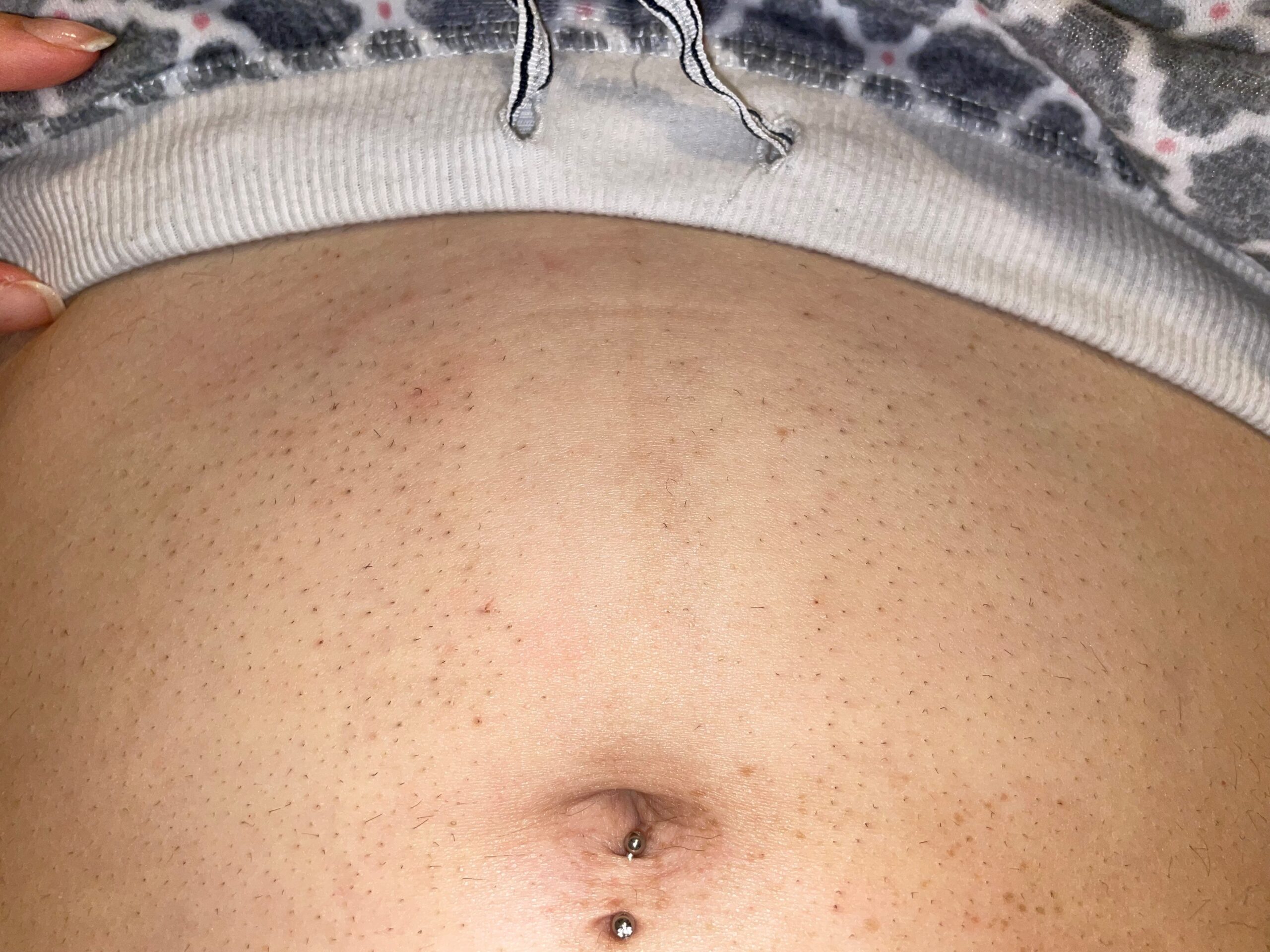
For patients also exploring skin rejuvenation options, treatments like Intimate area peel in New Jersey may be discussed during consultation to address pigmentation or texture concerns safely.
Patient Reviews consistently highlight the importance of physician oversight, detailed consultations, and long-term results when choosing a laser clinic.

Frequently Asked Questions
Is laser hair removal safe?
Yes, laser hair removal is highly safe when performed by trained medical professionals using FDA-approved devices tailored to your specific Fitzpatrick skin type. The risk of severe complications is very low under proper physician oversight.
Why does my skin look bumpy after laser hair removal?
Bumpy, red skin immediately after treatment is a normal clinical endpoint called perifollicular edema. It indicates that the laser successfully targeted the hair follicles and usually subsides within 2-5 days.
Can laser hair removal cause more hair to grow?
Yes, in rare cases (about 3%), a condition called paradoxical hypertrichosis can occur, usually on the face or neck. It is often triggered by using incorrect laser settings or underlying hormonal imbalances like PCOS.
What are the black dots on my legs after laser hair removal?
These “pepper spots” are the burnt remains of the hair root trapped in the follicle. They are harmless and will naturally shed and fall out on their own over the next 1 to 2 weeks.
How do hormones like PCOS affect laser hair removal results?
Hormonal imbalances, particularly Polycystic Ovary Syndrome (PCOS), can stimulate “dormant” hair follicles to become active. While laser hair removal is highly effective for PCOS-related hirsutism, patients may require more sessions (typically 8–12) and more frequent maintenance. At Anara Medspa, we coordinate with your medical history to ensure the laser settings account for these hormonal drivers, preventing the risk of paradoxical hair growth.
Can I get laser hair removal if I have a tan or use self-tanner?
No. You should avoid sun exposure and self-tanning products for at least 4 weeks prior to treatment, and longer if you have darker skin tones. Lasers target pigment; if your skin has extra melanin from a tan (natural or bottled), the laser may stay on the surface of the skin rather than traveling to the follicle, significantly increasing the risk of burns or hyperpigmentation.
What is the "Fitzpatrick Scale," and why does my doctor need to know mine?
The Fitzpatrick Scale is a medical classification system (Types I–VI) that determines how your skin responds to UV light and heat. It is the “gold standard” for safety in laser medicine. High-quality clinics like Anara Medspa use this scale to choose the specific laser wavelength such as Nd:YAG for darker skin (Types IV-VI) or Alexandrite for lighter skin (Types I-III) to ensure the hair is destroyed without damaging the surrounding skin.
Is there any downtime or "recovery period" after a session?
Technically, there is zero clinical downtime, and you can return to work immediately. However, at least for the first 48 hours, you must avoid “The Three S’s”: Sweat, Sun, and Saunas. Excess heat or friction can irritate the follicles while they are in their post-laser healing phase. We recommend loose clothing and gentle, fragrance-free moisturizers during this window.
Why is physician oversight important for laser hair removal in New Jersey?
In NJ, laser hair removal is legally considered a medical procedure. Physician oversight ensures that if a rare side effect occurs, such as a burn or a paradoxical growth response, a doctor is on-site to diagnose and treat it immediately. Furthermore, a physician can perform medical screenings for underlying conditions (like hormonal issues) that an esthetician or laser technician might miss, ensuring your treatment is both safe and effective.
Super-skin care: Lumivive from SkinMedica
Why Lumivive is So Special?
Please read on..or Click here to learn more.
At the end we will also reveal who won’t need any skin care, so please read on till the end. Lumivive System is a unique anti-aging super-skincare that is unlike anything else available today.
UV-A and B are not the only culprits in accelerating the aging process starting as early as in the 20s. The other culprits are: Blue light (also called HEV- High Energy Visible light) and pollution. The damage caused by Blue light is so well recognized in the last few years that even the lens makers like Lenscrafters now offer blue light filter coating on the prescription and non-prescription lenses they sell. These lenses protect the eyes from blue light when you wear them.
But what about the rest of the skin and what about the overnight repair for the damage already caused by blue light and pollution?
Many patients who focus on skin rejuvenation also explore PRP Procedures, which help stimulate natural collagen production and support healthier, younger-looking skin. When combined with advanced skincare systems like Lumivive, these treatments can further improve overall skin repair and protection.
The Research Shows That Blue Light Exposure can Cause
1. Accelerated skin aging
2. Dark spots
3. Wrinkles and
4. Saggy or loose skin
Blue Light can Penetrate Even Deeper Than UV Light as You See in The Picture
Sources of Blue light:
1. Cell phone and tablets
2. Computer screens.
3. TV
4. LED lights
5. Fluorescent lights
6. Sun light
Many dermatology clinics also recommend treatments like Vi Peel in New Jersey to help address pigmentation and improve skin clarity. This type of treatment works well for individuals dealing with environmental skin damage and uneven skin tone.
Sources of Pollution-Related Skin Damage Include
1. Smoke
2. Factories
3. Automobile exhaust
4. Particulate matter
Skin Damage Caused by Pollution Include
1. Skin aging
2. Pigmentation
3. Itchy or dry skin
4. Blemishes
For individuals dealing with persistent skin issues, combining advanced skincare systems with professional treatments can support a Successful Acne Treatment Journey and improve long-term skin health.
Environmental damage and blue light exposure can also contribute to Brown spots, age spots, uneven skin tone & rosacea, which are common skin concerns that many people experience as they age.
Lumivive System Comes with a Day Cream and a Night Cream
Lumivive is not a replacement for Sunscreen. UV Protection is still needed. Lumivive Day Damage Defense serum protects the skin against blue light, ozone and pollution. Lumivive Night Revitalize Repair Complex repairs the skin overnight from all the above causes. The system also improves redness and evens the skin tone and compliments any other skincare system. The ingredients in the Lumivive system are so complex and rare that, its often on backorder even at SkinMedica.
Order of Using The Skin Care
Step 1: Cleanse & pat dry
Step 2: TNS Advanced +
Step 3. Lumivive ( Day or Night serum)
Step 4. SPF 40+ Sunblock
These products do not have any fragrances and hence can be used by everyone and suitable for all skin types.
Finally Here is The Answer to “Who Does Not Need Any Skincare?
If you are living in the unpolluted Himalayas, drinking the purest water from the mountains, eating the unadulterated fresh vegetables and natural foods, with no stress, no diabetes, not exposed to any form of smoking, meditating 4 hours a day, getting 8 hours of uninturrupted restful sleep, you won’t need any skin care.
For the rest of us we recommend to explore this and more.
- Laser hair removal in new jersey
- Botox® and Dysport®
- Dermal Fillers
- Microneedling
- Hydradermabrasion Hydro-Facial
- IPL Photofacial
- Micropeels
- Medical Microdermabrasion
- PRP Procedures
- Chemical Peels
- Laser Vein Removal
- Laser Skin Treatments
- Acne Treatment
- Brown spots, age spots, uneven skin tone & rosacea
- Facials
- Dermaplaning
- RF Microneedling