
Table of Contents
ToggleExpression lines are often the first signs of facial aging that people notice. At first, they appear only when you smile, frown, squint, or raise your eyebrows. Over time, those temporary creases can start to remain visible even when your face is relaxed. Botox is one of the most established non-surgical treatments for these movement-related lines because it temporarily relaxes the muscles that create them. As part of a comprehensive facial treatment approach, it helps improve overall skin appearance and smoothness. For patients in East Brunswick and Central New Jersey, it remains a popular option for a smoother, more refreshed look.
What Are Expression Lines?
Expression lines are wrinkles caused by repeated facial movements. They usually form in areas where the skin folds repeatedly, such as the forehead, between the brows, and around the eyes. These are often called dynamic wrinkles because they are linked to muscle activity.
Understanding Expression Lines
What Causes Expression Lines?
Expression lines develop because facial muscles contract in the same places for years. Smiling, concentrating, squinting, and raising the brows all create creases in predictable patterns. Over time, those repeated folds become easier to see.
Difference Between Dynamic Wrinkles and Static Wrinkles
Dynamic wrinkles show mainly with movement. Static wrinkles remain visible even when the face is at rest. Botox works best on dynamic wrinkles, while deeper static lines may also reflect collagen loss, sun damage, or thinning skin.
Why Expression Lines Become Permanent Over Time
Repeated Facial Movements
Facial expressions are natural, but they are also repetitive. The same muscles pull on the skin thousands of times over the years, and lines that once disappeared can begin to linger.
Loss of Collagen and Skin Elasticity
As skin ages, it loses collagen and elastin. The National Institute on Aging notes that these changes make skin thinner and less elastic, which contributes to wrinkles and makes it harder for the skin to bounce back after movement.
Environmental and Lifestyle Factors
Sun exposure can accelerate visible skin aging. The American Academy of Dermatology explains that ultraviolet damage builds over time and can lead to wrinkles, loose skin, and other signs of photoaging.
How Botox Works to Reduce Expression Lines
How Botox Relaxes Facial Muscles
Botox Cosmetic temporarily reduces the nerve signal that tells certain muscles to contract. When those muscles relax, the skin above them can look smoother and less creased.
How Botox Prevents Wrinkles from Deepening
Because Botox reduces repeated muscle movement, it can soften existing expression lines and if you have questions about whether this treatment is right for you, contact us for more information and may help keep them from becoming more deeply etched. FDA labeling recognizes Botox Cosmetic for the temporary improvement of forehead lines, glabellar lines, and lateral canthal lines (crows feet) in adults.
Common Facial Areas Treated With Botox
Forehead Lines
Forehead lines are the horizontal lines that appear when you raise your brows. They are one of the most commonly treated cosmetic Botox areas.
Frown Lines (Glabellar Lines)
These are the vertical “11 lines” between the eyebrows. They can make the face look tense, worried, or angry even when that is not how you feel.
Crow’s Feet Around the Eyes
Crow’s feet are the lines at the outer corners of the eyes. They are often linked to smiling and squinting and are among the earliest expression lines many people notice.
Benefits of Botox for Expression Lines
Botox remains popular because treatment is quick, minimally invasive, and usually involves little downtime. Mayo Clinic notes that results often begin within 1 to 3 days, may take up to a week or more to fully settle, and commonly last about 3 to 4 months.
Botox vs Other Anti-Aging Treatments
Botox vs Dermal Fillers
Botox relaxes muscles that cause dynamic wrinkles. Dermal fillers do something different: they restore volume or support beneath the skin. They are not interchangeable, and some patients benefit from one while others need a combination approach.
Botox vs Chemical Peels
Chemical peels improve the skin’s surface, including tone and texture. Botox targets muscle movement. One treatment works on the skin itself, while the other works on the muscles that create expression lines.
Who Is an Ideal Candidate for Botox?
A good candidate is an adult bothered by forehead lines, frown lines, or crow’s feet caused mainly by facial movement. The best candidates also have realistic expectations and understand that Botox helps dynamic wrinkles most.
What to Expect During a Botox Treatment
Consultation and Facial Assessment
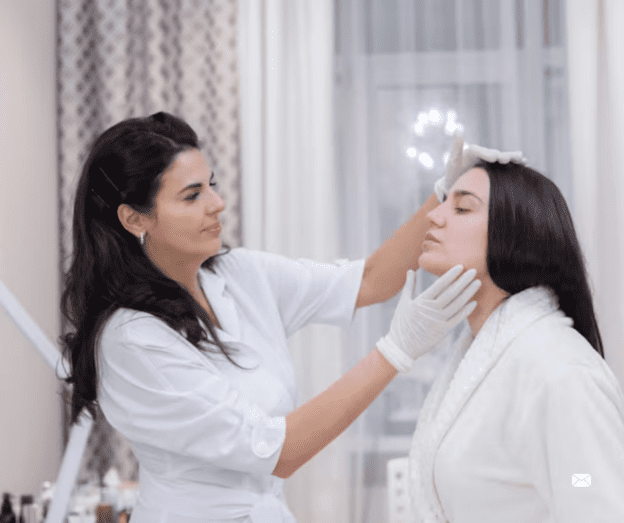
Proper Botox treatment should begin with an in-person facial assessment. The cosmetic physician evaluates facial movement, anatomy, goals, and whether Botox is the right fit.
Injection Procedure
Botox is typically performed in a medical office using a very fine needle. The number of injections depends on the treatment area and the patient’s muscle pattern.
Recovery and Aftercare
Most people return to normal activities quickly. Mayo Clinic advises avoiding rubbing or massaging the treated area for 24 hours and not lying down for 2 to 4 hours afterward.
Why Choose Anara Medspa for Botox Treatments
For Botox in East Brunswick and Central New Jersey, patients often look for experience, medical oversight, and a personalized plan. At Anara Medspa, a thoughtful consultation and anatomy-based treatment approach can make a significant difference in safety and natural-looking results.
Conclusion
Expression lines begin with movement, but time, collagen loss, and sun exposure can make them more permanent. Botox helps by temporarily relaxing the muscles that create these lines, especially in the forehead, frown line, and crow’s feet areas. For the right patient, it can be an elegant way to maintain a smoother, more rested appearance.
References
- Mayo Clinic – Botox injections
- Cleveland Clinic – Botox Injections: Treatment, Recovery & Side Effects
- Cleveland Clinic – What Are the Long-Term Effects of Botox?
- American Society of Plastic Surgeons – Botulinum Toxin Results
- American Academy of Dermatology – How dermatologists treat sun-damaged skin
Frequently Asked Question
How long does Botox last?
Botox often lasts about 3 to 4 months.
How soon will I see results?
Many patients notice early results in 1 to 3 days, with fuller results in about 1 to 2 weeks.
Can Botox prevent wrinkles from deepening?
It can help reduce repeated muscle movement, which may help keep dynamic lines from becoming deeper over time.
Is Botox the same as filler?
No. Botox relaxes muscles, while fillers restore volume or support.